
Discover Your Ideal Education Event
Filter by event category, format, subject and educational phase
Showing 12 of 18 events
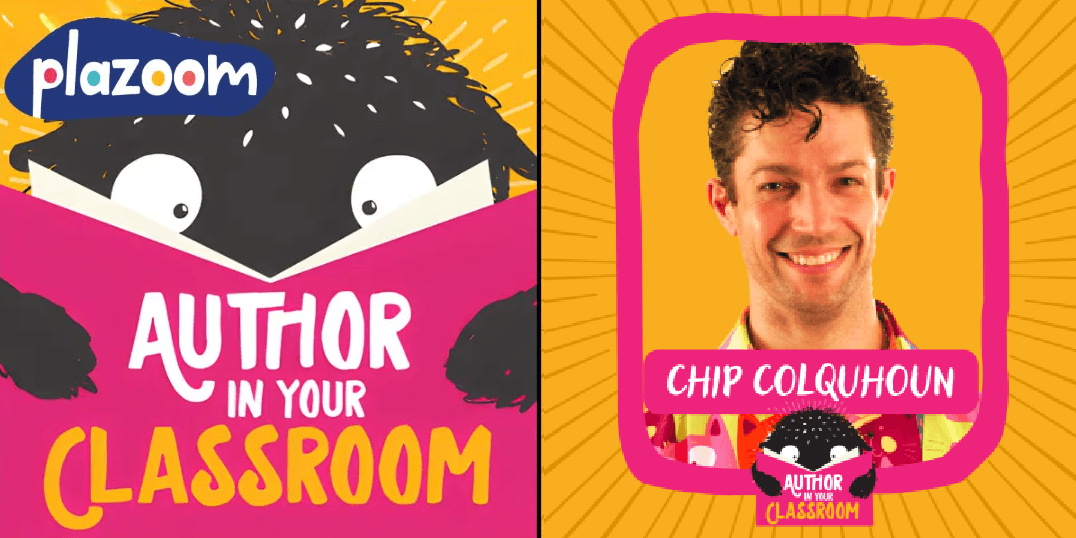
Become a storyteller with Chip Colquhoun
In this set of lessons, author Chip Colquhoun invites KS2 pupils to explore storytelling as something everyone does daily, showing how personal experiences, memories and familiar tales can all become the starting point for original writing. Using an episode of the Author in Your Classroom podcast as a foundation, the resource encourages children to think about what storytelling really is and where ideas come from. Pupils listen to Chip reflect on storytelling as a shared human activity, discuss the stories they encounter in their own lives and consider how writers take inspiration from existing stories to create something new. Teaching overview The unit begins by exploring storytelling as a part of everyday life. Pupils listen to Chip describe how stories are told in many different ways, share their own examples and identify key stories that have shaped their thinking or experiences. They then gather inspiration from a range of sources, including books, films, games and personal memories, building a bank of ideas for their own writing. Pupils then move on to story structure, where they break down familiar narratives into key moments. They use these ‘story beats’ to support planning, adapting known structures to develop their own original ideas while maintaining a clear sense of shape and progression. The next stage focuses on oral rehearsal. Pupils retell their stories aloud, experimenting with expression, rhythm and clarity. Through talking their ideas through, they refine plot details and strengthen their understanding of how stories work in practice. Following this, pupils begin writing their own story or opening. They draw on narrative techniques such as dialogue, description and humour, using their plans as support while making creative choices and improving their work through reflection and peer discussion. Win an author visit from Chip Colquhoun Anyone who pre-orders Bestest Story in the World Ever before 10th September 2026 can enter a draw to win a free school author visit from Chip Colquhoun by uploading their receipt at Epic Tales. 30 schools will win in total, with entries rolling over each month for more chances to win. Buying from a bookshop could double your chances, since bookshops can also nominate schools directly.
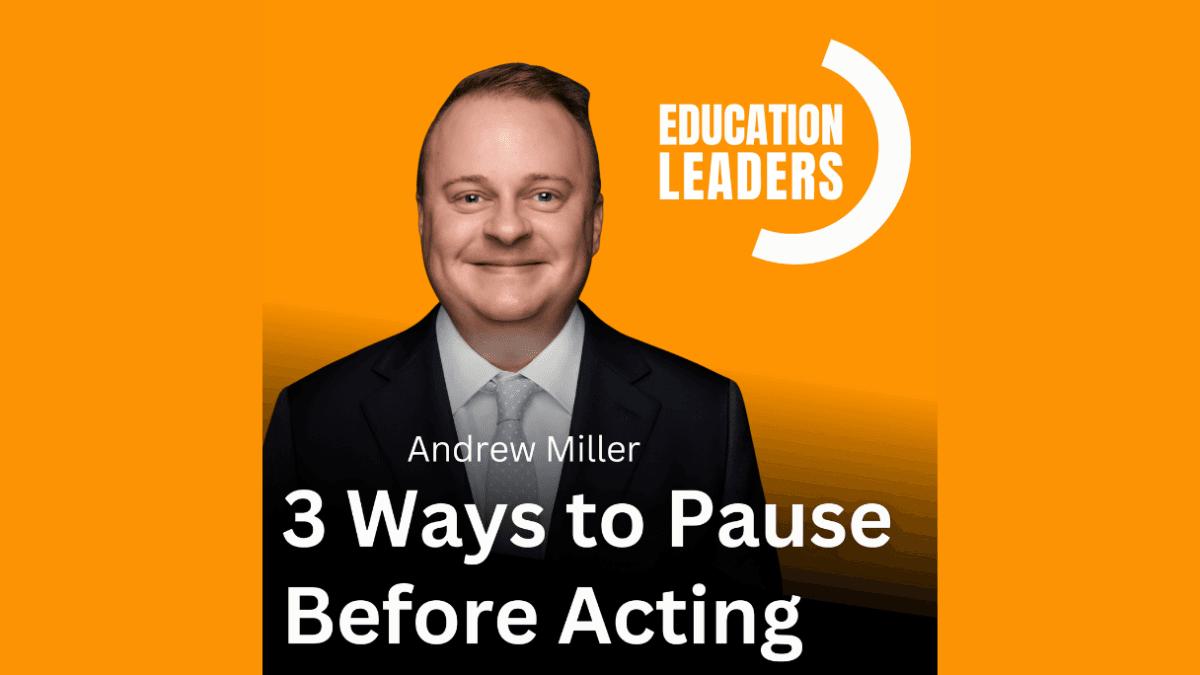
3 Ways to Pause Before Acting | A Conversation with Andrew Miller
What you'll hear in this episode. Dr Andrew Miller, Academic Principal at Beijing International Bilingual Academy, explains what going slow really looks like for a school leader and why "maybe don't" could be the most useful phrase you say all year. His career spans Washington State's Office of Superintendent of Public Instruction, Singapore American School and Shanghai American School, so he has seen how pressure to move fast plays out in very different systems. There is also a story behind this episode: Shane's audio failed to record, so you hear Andrew's answers as they were given on the day, with short bridge lines from Shane to set up each question. You'll learn how to tell deliberate slowness apart from avoidance or a loss of nerve, and how Andrew resets his own sense of urgency on the days when he feels he hasn't done enough. He also covers how to let staff see your thinking without it sounding like excuses, and where the line sits between useful vulnerability and venting. Shane closes with three practical steps to try this week, starting with writing down what would happen if you didn't launch that next initiative. If everyone around you is waiting for you to act, this conversation gives you a way to pause with confidence.

No Running in the Corridors - No playing conkers
Conker bans in schools due to health and safety concerns may be an urban myth, but when we’re responsible for other people’s children, how much risk should we accept? In this episode, headteacher and author Rae Snape and teacher and founder of Learnella, Adam Petrie, join Helen Mulley to explore how schools can protect children without wrapping them in cotton wool, and why learning to judge risk is such an important part of growing up.

No Running in the Corridors - No doodling in lessons
Call it zero tolerance, warm-strict or high standards – some schools take an approach to classroom discipline that leaves no space for individual ways of concentrating. But what if the child doodling all over their notes is paying attention? In this episode, art teacher Emma Delpech and forest school teacher Rachel Summers join Helen Mulley to unpack fidgeting, doodling and stimming through the lens of self-regulation, exploring why a still classroom isn’t always a listening one.

No Running in the Corridors - No diagnosis? No special support
How can families unlock the support their child needs, and does it have to involve a formal diagnosis for schools to provide it? In this episode, host Helen Mulley is joined by former headteacher Lucy Rundle and parent Laura Albero, whose children have SEND. Together, they explore what equitable support really looks like, and whether schools can respond effectively to individual needs within a system of limited resources and increasing demand.

No Running in the Corridors - No extreme hairstyles
Schools have been policing pupils’ hairstyles forever, but are strict hair policies really about maintaining standards, or simply about control? Hair is deeply personal. It’s bound up with culture, identity and genetics. So why do schools care so much about it? In this episode, MAT CEO Anthony Benedict and headteacher Hannah Carter join Helen Mulley to explore what hairstyle policies reveal about power, control and individual expression.

No Running in the Corridors - Stick to the seating plan
On the surface, a seating plan is simply a practical tool for organising a busy classroom and keeping learning on track. But in our desire to control chaos, do we risk constricting curiosity? In this episode Helen Mulley is joined by Lewis Ames from Children of the Forest and education consultant Leslie Patterson to explore what a truly flexible and empowering education environment might look like.
Do pupils understand AI tools better than we do?
How can we help students become thoughtful, critical users of AI? In this episode of Teachwire Talks, host Helen Mulley explores what pupils really understand about the AI tools they’re already encountering. Alongside Helen are guests Ben Garside and Emma Staves, both former educators now working at the Raspberry Pi Foundation . Together, they discuss what AI literacy means and how to teach it when you’re still getting to grips with AI yourself. About Experience AI Experience AI is an educational programme that offers cutting-edge resources on artificial intelligence and machine learning for teachers and students. Developed in collaboration by the Raspberry Pi Foundation and Google DeepMind, the programme supports teachers in the exciting and fast-moving area of AI, and gets young people passionate about the subject. Experience AI lessons The set of free lessons has everything teachers need to deliver AI and machine learning sessions in secondary school, including lesson plans, slide decks, worksheets, and videos. The lessons focus on AI applications that are relatable for young people and are designed so that teachers in a wide range of subjects can use them.
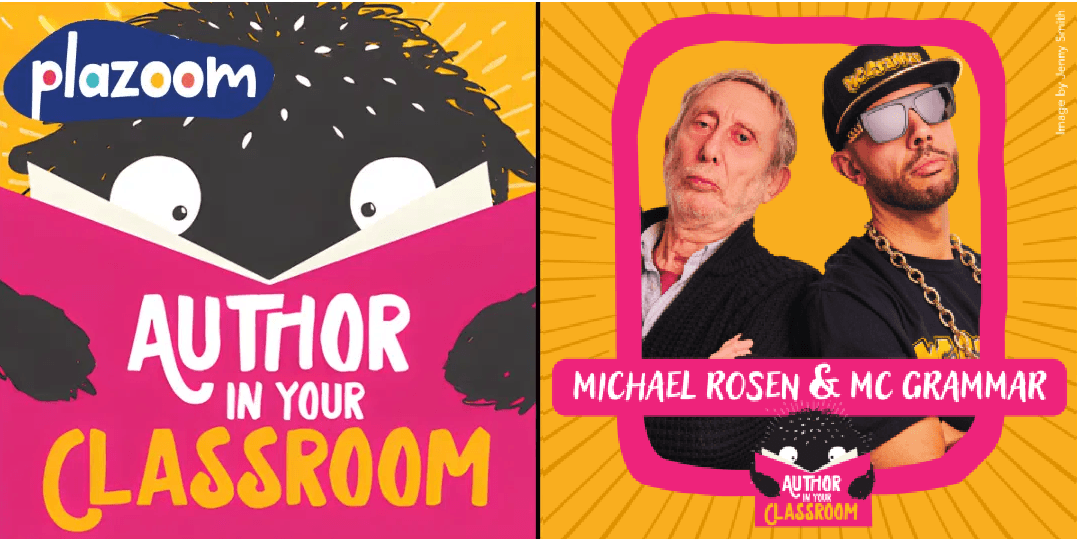
Write a rap with Michael Rosen and MC Grammar
In this brilliantly bonkers episode of AIYC, Michael Rosen and MC Grammar join host Helen Mulley to explore rap, rhyme and collaborative writing, sharing practical ideas to help children fall in love with language. They also talk about their new book, Ridiculous Raps and Rhymes – a hilarious, high-energy rhyming adventure. Using this episode as a foundation, the free accompanying resource pack helps children explore the craft of rap. They’ll think about what makes a great rap or poetry performance, experiment with rhythm and rhyme, and discover how ideas often become stronger when writers work together. Teaching overview The unit begins by exploring the relationship between poetry and rap. Pupils listen to performances by Michael Rosen and MC Grammar, discussing rhythm, rhyme and repetition, and considering how poems and raps use language to create meaning, energy and enjoyment. They also reflect on the similarities and differences between the two forms, thinking about what makes each unique. Pupils then explore performance and collaboration. They consider how expression, pace and rhythm bring words to life, before discussing how Michael Rosen and MC Grammar developed ideas together. Through this, they reflect on the importance of listening, sharing ideas and working creatively with a partner. The next stage focuses on creating original raps. Working in pairs, pupils gather ideas, experiment with words and rhythms aloud, and develop their writing through discussion and rehearsal. They gradually shape and refine their raps, using repetition, rhyme and performance techniques to strengthen their work. The sequence concludes with performance and reflection. Pupils share their raps with others, respond to feedback and consider what they have learned about writing collaboratively, performing confidently and using spoken language creatively, leaving the unit with a deeper appreciation of poetry, rap and the creative writing process.
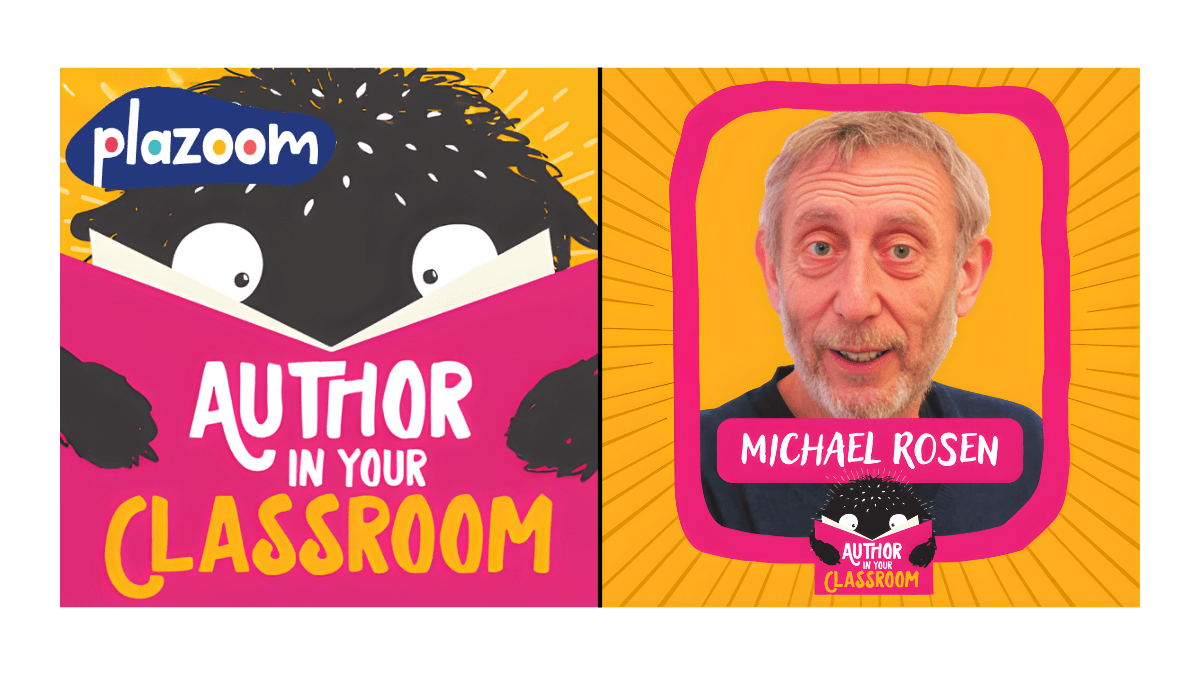
Daydream a poem with Michael Rosen
Deliver an inspiring virtual author experience through an engaging episode of the Author in Your Classroom podcast featuring Michael Rosen. Centred on his anthology On the Move, the session explores themes of migration and identity. Rosen explains how daydreaming can unlock ideas and voice, encouraging young writers to “make it personal” a principle that underpins the entire unit. Pupils study Rosen’s poem The Migrants in Me, responding both emotionally and analytically to its themes. Carefully chosen podcast extracts introduce each stage of learning, while supporting resources, including planning sheets, idea cards and working wall materials, promote independent writing. Teaching overview This four-part unit develops pupils’ poetic skills progressively. The first session introduces daydreaming as a creative strategy, allowing pupils to generate ideas by following their thoughts and linking them to personal experiences, inspired by Rosen’s approach. In the second session, pupils focus on imagery and figurative language. They explore similes, metaphors, personification and idioms, examining how Rosen creates vivid and memorable images. The third session centres on drafting original poetry. Pupils select their preferred form and shape their writing carefully, drawing on personal memories and emotions. The final session focuses on refinement and sharing. Pupils perform their poems, offer feedback and improve selected lines. A class recital provides an opportunity to celebrate their work and build confidence. By the end of the unit, pupils will understand how Michael Rosen crafts authentic, personal poetry. They will recognise the value of daydreaming in the creative process and feel ready to write poems with meaning and purpose.
If technology is so clever, why are teachers so busy?
Are today’s classroom technologies really making teachers’ lives easier? In this episode of Teachwire Talks, Helen Mulley is joined by Ashleigh Kennedy from Dell Technologies and product marketing consultant Richi Fontaine to explore whether edtech is living up to its promise. Together, they discuss how technology has transformed schools, from interactive whiteboards to AI, and examine why workload remains such a challenge, even as new tools continue to emerge. Finally, they share practical insights into using digital tools more strategically, helping you save time while improving teaching and learning. About ED360 Teachers are under growing pressure to manage heavier workloads, respond to diverse student needs, close learning gaps, and confidently adopt new digital and AI-enabled approaches in the classroom. To support them effectively, schools need practical tools and accessible professional learning that can make an immediate difference. A clear next step is to register to join ED360 – Dell’s hub for smarter teaching – where educators can explore practical ideas, tackle common challenges, and see how modern technology and AI can support teaching and learning. The platform includes webinars, podcasts, classroom-ready resources, and expert-led content designed to help schools embrace future-ready IT and bring AI-driven learning into the classroom. Alongside ED360, educators can also benefit from other valuable resources such as Microsoft Learning Zone and Intel Skills for Innovation. Intel Skills for Innovation helps educators integrate technology into everyday learning through ready-to-use lesson plans, professional development, and real-world projects that build digital, problem-solving, and innovation skills. Microsoft Learning Zone is an AI-powered education app from Microsoft designed to help teachers create interactive lessons and learning activities more quickly. Register to join ED360 here . By encouraging teachers and school leaders to engage with ED360 and these wider resources, we can help reduce pressure, build confidence, and give educators practical support to create more engaging, inclusive, and future-ready learning experiences.
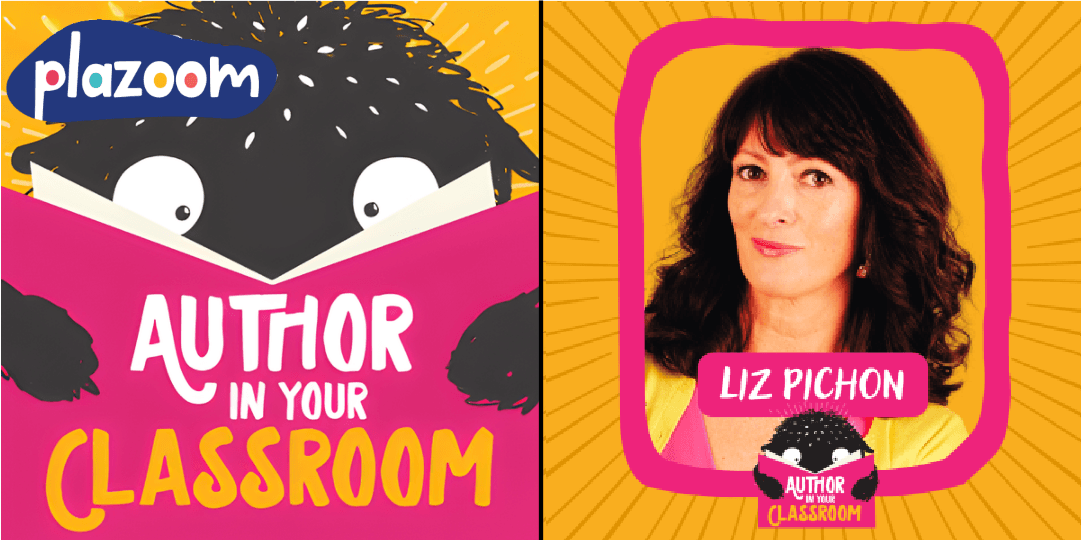
Create a supervillain with Liz Pichon
Bring a bestselling children’s author into your classroom and guide pupils through planning and writing a story centred on a supervillain. In this episode of Author In Your Classroom , award-winning author and illustrator Liz Pichon, creator of Shoe Wars and the Tom Gates series, shares practical tips for crafting memorable villains and the worlds they inhabit. She demonstrates how everyday events and real-life stories – like a disagreement between two brothers who made shoes – can spark funny and exciting story ideas. This teaching sequence supports pupils in developing characters, plotting scenes and applying descriptive writing techniques. It takes them from generating initial ideas to creating their own supervillains and writing scenes that bring those characters to life. Carefully selected podcast extracts accompany the unit, providing insight into a professional author and illustrator’s process and encouraging pupils to see themselves as storytellers. Teaching overview Over four sessions, pupils begin by exploring where story ideas come from, collecting inspirations from personal experiences, observations and interests to build a bank of potential stories. They then design a main villain, developing appearance, personality, behaviour and backstory, learning how motivation and depth make characters compelling. Pupils plan and write a scene introducing their supervillain, using techniques modelled by Liz Pichon, including humour, dialogue, alliteration, similes and vivid description. Finally, they expand their story universe, creating settings, objects and doodles to bring their villain’s world to life, using working walls or personal notebooks as inspiration. By the end of the unit, pupils gain confidence in creating imaginative characters and scenes, connecting their writing to authentic author practice while building creativity and storytelling skills.