
FREDsTeaching Ltd Whole-Class Reading Conference!
Monday, September 28, 2026
Date
9:00 AM - 5:00 PM
Time
Innovation Factory, Forthriver Business Park, 385 Springfield Rd, Belfast, BT12 7DG
Location
£98.22
Cost
About This Event
A full day of CPD for teachers in Northern Ireland making the switch from Guided Reading to Whole-Class Reading as they embrace TransformED!
The launch of “Strong Foundations: A Literacy Framework for Primary Schools” marks an exciting – and busy – chapter for education in Northern Ireland. Education Minister Paul Givan has been clear: the goal is to close the attainment gap and ensure every child, from P1 to P7, can “read and read well.”
But for a busy classroom teacher, a new framework often means one thing: “How am I going to find the time to plan for this?”
Fortunately, at Fred’s Teaching, we’ve spent years building resources rooted in the very same evidence-based practices the DE is now championing. These resources are tried and tested, in schools across the United Kingdom and around the world, and have proven to raise attainment for all learners!
This session has been designed to help you meet the new requirements in the Literacy Framework:
1. Smashing Whole-Class Reading (and ditching Group Guided Reading): This shift to teaching reading whole-class is definitely the right direction for travel, but there is no doubt that this represents a HUGE change for teachers in Northern Ireland. Come and explore the 'whys' and the 'hows' of Whole-Class Reading using an approach that has been proven over years in thousands of classrooms in England and around the world!
2. Prioritising Oracy (Talking and Listening): The framework highlights Oracy as the bedrock of literacy. Together, we will explore what teaching Oracy looks like, and have some fun together having a go at some different techniques for getting everybody talking!
3. Bridging the Gap with Fluency :The framework leans heavily into the Science of Reading, specifically the importance of fluency as a bridge to comprehension. We will show you all the steps that go into creating confident, fluent readers in your classroom!
Our full day will leave you enthused about embracing the changes happening now, and excited for what these changes can mean for your teachers and your pupils as you look forward to the new academic year!
Related Events

Including learners' languages in English teaching
This session brings together two teacher educators to discuss how multilingual realities shape English teaching in Southeast Asia. Speakers explore how teachers use learners' home languages as a resource, challenge 'English-only' assumptions and promote inclusive, culturally responsive practices. Donna Lim focuses on young learners and Yustinus Calvin Gai Mali talks about pre-service teachers. Learn about strategies that you can use in your classroom, wherever you teach. About the speakers Mai Tuyet Ngo is an associate professor in TESOL and applied linguistics at Flinders University, Australia. She has been working as an English language teacher educator for 30 years, and has coached and mentored many young early-career Vietnamese schoolteachers, university lecturers and leaders to become healthier and happier. Her research interests are teachers' social well-being and happiness pedagogies. Donna Lim is a lecturer with the National Institute of Education, Nanyang Technological University, Singapore. She specialises in primary English language teaching methodology courses. Her area of interest is in developing literacy with a focus on teaching writing. She has considerable teaching experience with young learners. Yustinus Calvin Gai Mali is an associate professor in the Masters of English language education at Satya Wacana Christian University (Salatiga, Indonesia). He holds a PhD in Language, Literacy and Technology Education. He also serves as the director of publications at Indonesia Technology Enhanced Language Learning ( iTELL ) journal.
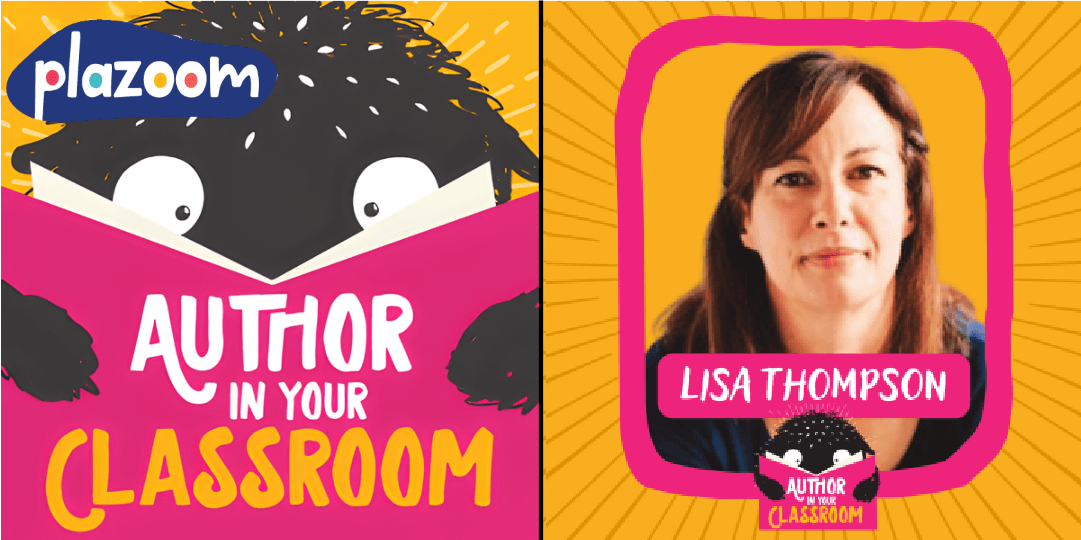
Collect ideas for characters with Lisa Thompson
In this teaching sequence, pupils are guided by a virtual visit from bestselling author Lisa Thompson to develop ideas for engaging and memorable characters. Based on an episode of the Author in Your Classroom podcast, this fully resourced unit helps pupils explore how to create compelling characters for their own stories. Using The Graveyard Riddle as a springboard, the unit breaks down the creative process, showing how professional authors craft distinctive characters and build intrigue through careful use of detail and dialogue. How to use this resource Across five structured sessions, pupils listen to selected podcast extracts and respond through discussion, planning and writing. They start by gathering unusual and interesting character ideas, then shape these into original, fully formed characters. Pupils analyse how Lisa Thompson introduces characters, investigate how dialogue reveals personality and practise their own dialogue through talk and role play. The sequence concludes with pupils writing and refining a short narrative scene that incorporates purposeful, correctly punctuated speech. Learning outcomes Pupils gain practical strategies for generating character ideas, understand how dialogue conveys personality and information, and apply these techniques in their own writing. The unit also develops spoken language, planning, drafting and editing skills, with clear progression and opportunities for peer discussion and feedback.
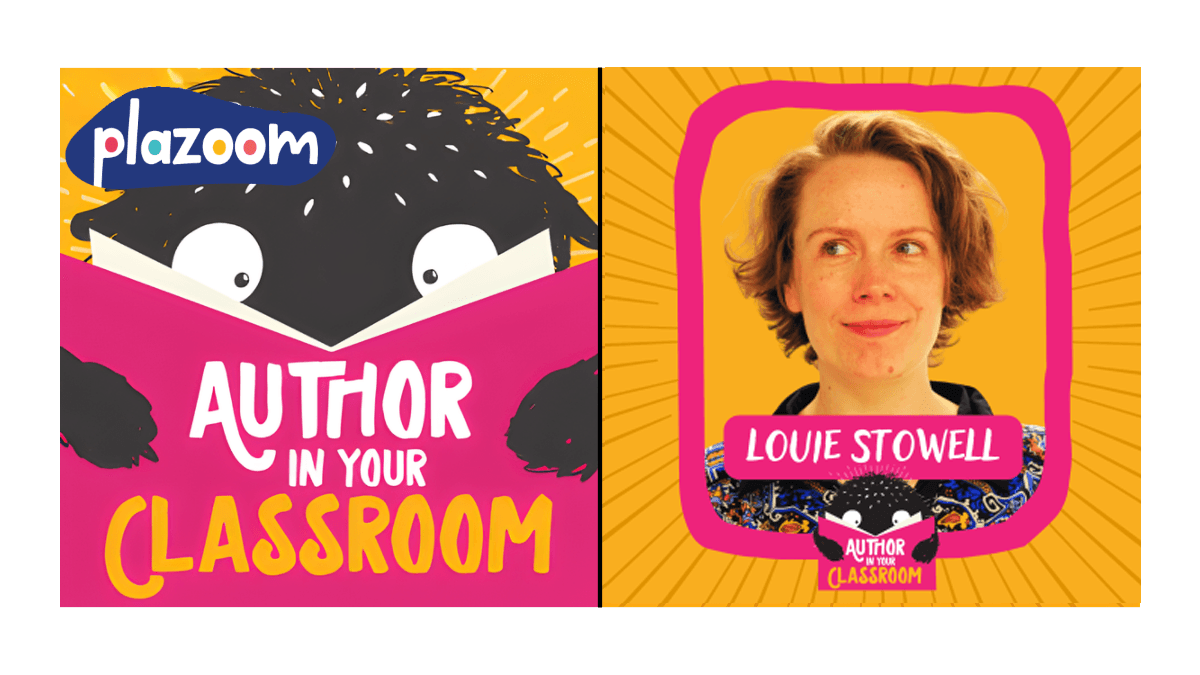
Bring mythology into the modern world with Louie Stowell
Discover the art of creative writing with a virtual author visit from Louie Stowell, creator of Loki: A Bad God’s Guide to Being Good. This unit connects directly with the Author In Your Classroom podcast, bringing storytelling and mythological themes straight into English lessons. Pupils will explore the world through the eyes of a mischievous god living on Earth, developing their descriptive and narrative skills while gaining insight into how professional authors work. The sequence guides children in exploring character, setting, and voice, combining discussion, planning and creative writing as they produce their own myth-inspired diaries. Throughout, podcast clips from Louie Stowell provide inspiration and a behind-the-scenes look at how writers craft their stories. Teaching overview Over five sessions, pupils will: Listen to podcast excerpts and explore mythological language and ideas Examine Loki’s view of the modern world, noticing contrasts between the ordinary and the unexpected Choose a mythological figure and plan a diary from their perspective on Earth Draft, revise and illustrate their own diary entries using the planning resources provided Share their work with classmates and celebrate their creativity This unit promotes confidence in writing through humour, imagination and a strong narrative voice. It works particularly well alongside a class reading of Loki: A Bad God’s Guide to Being Good, enhancing engagement and understanding of the story.
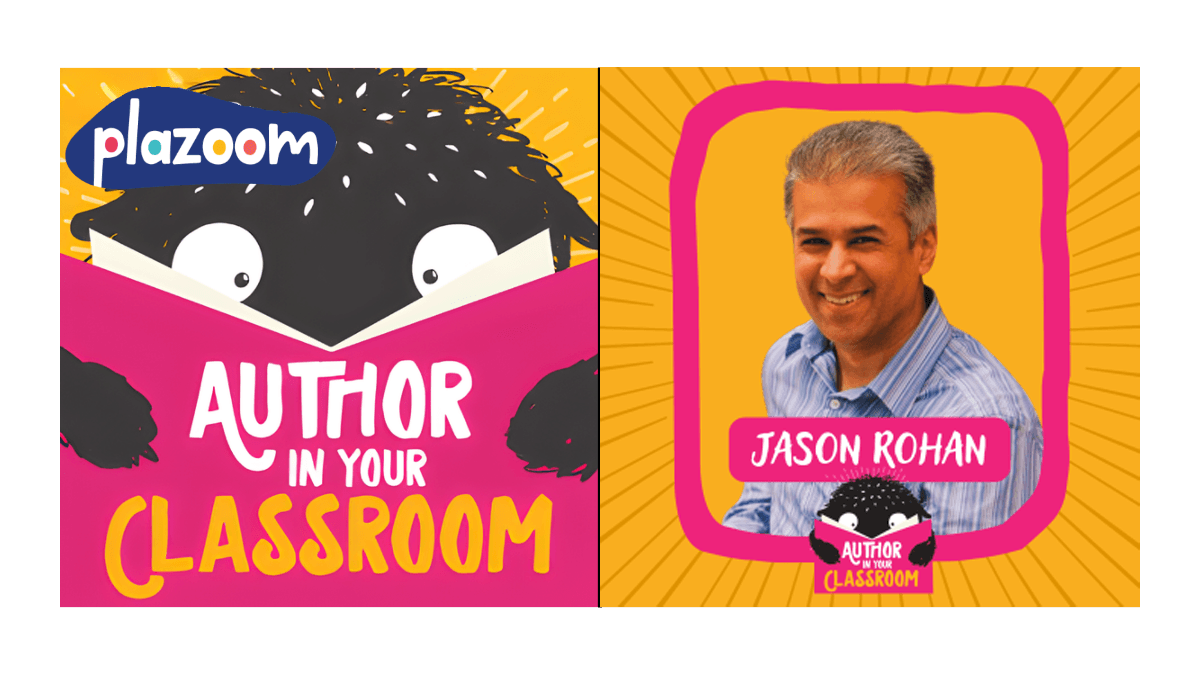
Plan an action story with Jason Rohan
Invite a professional children’s author into your classroom with this dynamic action-writing unit inspired by Jason Rohan’s S.T.E.A.L.T.H: Access Denied. Linked to the Author In Your Classroom podcast, this resource guides KS2 pupils through creating high-energy action stories with engaging characters and fast-paced plots. Rohan shares how his Marvel Comics internship in New York and experiences living in Japan influenced his storytelling and shaped his creative process. Short podcast clips accompany each stage of the teaching sequence, offering pupils a behind-the-scenes look at how authors plan and craft their stories. Teaching overview Across the structured sessions, pupils will: Find story inspiration – Explore how Rohan discovers ideas and use visual prompts to generate their own “jumping-off points.” Plan story arcs – Map beginnings and endings to maintain pace using comic-style planning sheets. Create contrasting characters – Analyse traits and apply “role-on-the-wall” templates to develop richer characters. Craft gripping openings – Understand why strong openings hook readers and practise writing their own. Write action-packed scenes – Use short, punchy sentences to build momentum and structure stories with clear action and transitions.
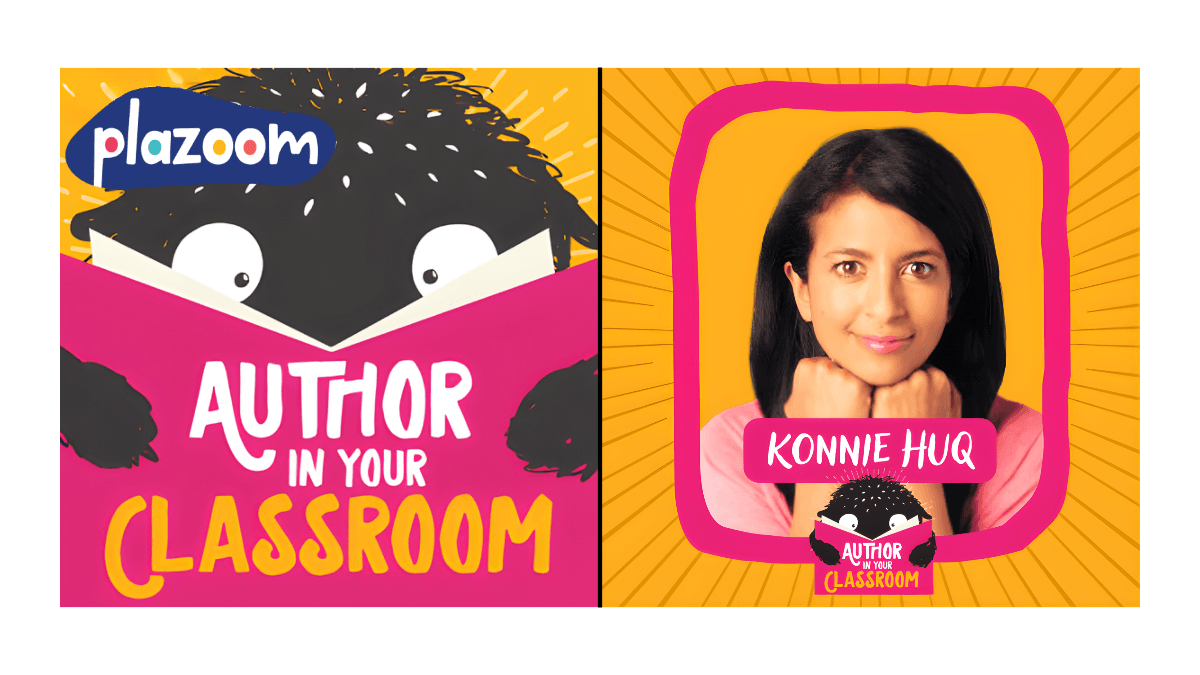
Write modern fairy tales with Konnie Huq
Introduce a fresh approach to storytelling in your classroom with this engaging creative writing unit, where KS2 pupils reimagine classic fairy tales for a modern audience. Across the sequence, children examine how well-known characters and narratives can be updated, helping traditional stories feel meaningful and exciting for today’s readers. This fully resourced unit includes carefully selected clips from the Author in Your Classroom podcast featuring Konnie Huq. These extracts support each stage of learning, offering insight into the creative process of a professional author and illustrator while encouraging pupils to develop their own storytelling voice. Teaching overview Structured over four linked sessions, the unit takes pupils from exploring familiar tales through to crafting their own original narratives. Children begin by revisiting traditional fairy tales, identifying core elements such as character, setting and theme. Using podcast clips, they consider how writers adapt these features for contemporary audiences, introducing humour, unexpected twists and diverse representation. Pupils then plan their own updated versions of fairy tales, aiming to surprise the reader while retaining recognisable story foundations. The sequence concludes with drafting, editing and refining a complete piece of writing, supported by peer discussion and reflection. By the end of the unit, pupils will feel more confident as writers and gain a clearer understanding of how stories can be reshaped while still respecting their origins.
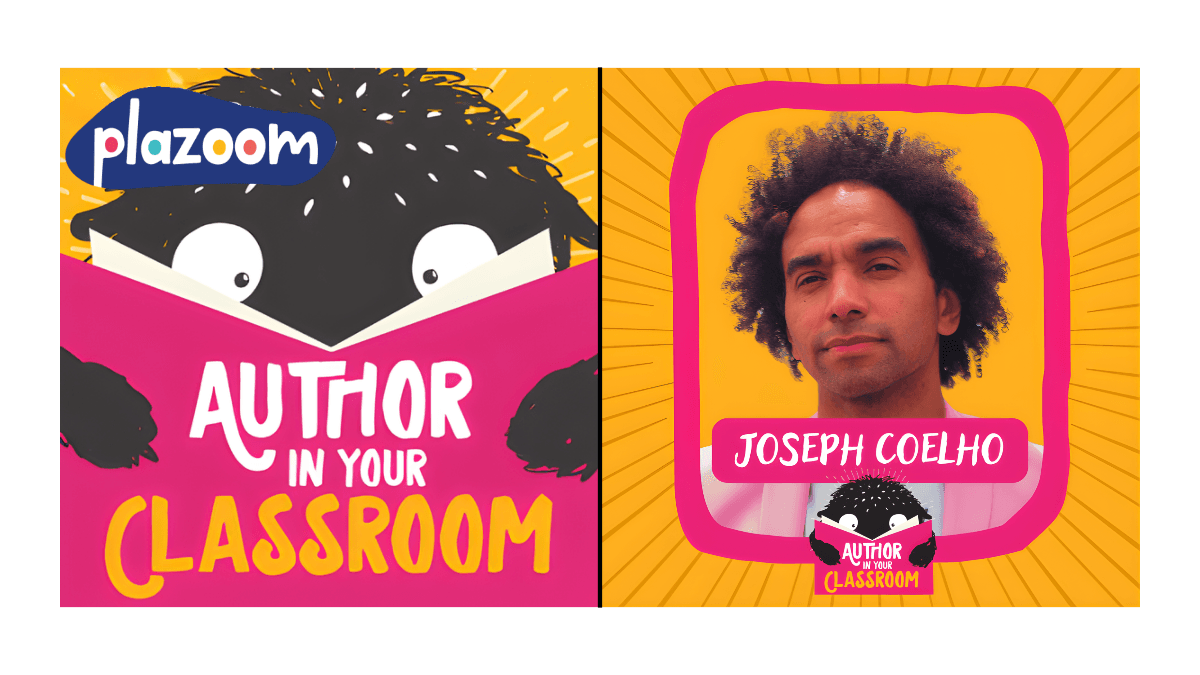
Explore poetry prompts with Joseph Coelho
In this comprehensive teaching sequence, Joseph Coelho introduces KS2 pupils to poetry, showing how simple prompts can spark ideas and lead to powerful performances. Built around an episode of the Author in Your Classroom podcast, the unit supports children in exploring what poetry is and how it works. Pupils read, listen, write and refine their own pieces, guided by insights from the Children’s Laureate and equipped with techniques they can use straight away. Teaching overview The sequence begins by looking at Coelho’s journey as a poet and his belief that poetry belongs to everyone. Pupils listen to a performance of This Bear, discuss their responses and consider how delivery shapes meaning. They then experiment with performing poetry themselves, making notes and sharing with peers. Next, pupils explore a ‘poetry toolbox’, identifying figurative language and key techniques within the text. By annotating and discussing Coelho’s choices, they begin to understand how poets create impact. The focus then shifts to idea generation. Using short video prompts, pupils gather words, images and phrases, recording their thoughts on planning sheets. These ideas form the foundation for their own writing as they begin drafting with increasing confidence. Attention then turns to editing and improvement. Pupils revisit their work, enhancing vocabulary, adding detail and refining techniques to better achieve their intended effect. The unit concludes with performance and publication. Pupils share their poems, celebrate each other’s work and leave with a strong sense of themselves as poets.

Creating happy classrooms for English learning
This session focuses on teacher and learner well-being, drawing on classroom practice to explore how joy, emotional safety and positivity can enhance English learning. The presentation shares practical ways teachers can create happier, more connected classrooms. About the speakers Mai Tuyet Ngo is an associate professor in TESOL and applied linguistics at Flinders University, Australia. She has been working as an English language teacher educator for 30 years, and has coached and mentored many young early-career Vietnamese schoolteachers, university lecturers and leaders to become healthier and happier. Her research interests are teachers' social well-being and happiness pedagogies. Donna Lim is a lecturer with the National Institute of Education, Nanyang Technological University, Singapore. She specialises in primary English language teaching methodology courses. Her area of interest is in developing literacy with a focus on teaching writing. She has considerable teaching experience with young learners. Yustinus Calvin Gai Mali is an associate professor in the Masters of English language education at Satya Wacana Christian University (Salatiga, Indonesia). He holds a PhD in Language, Literacy and Technology Education. He also serves as the director of publications at Indonesia Technology Enhanced Language Learning ( iTELL ) journal.
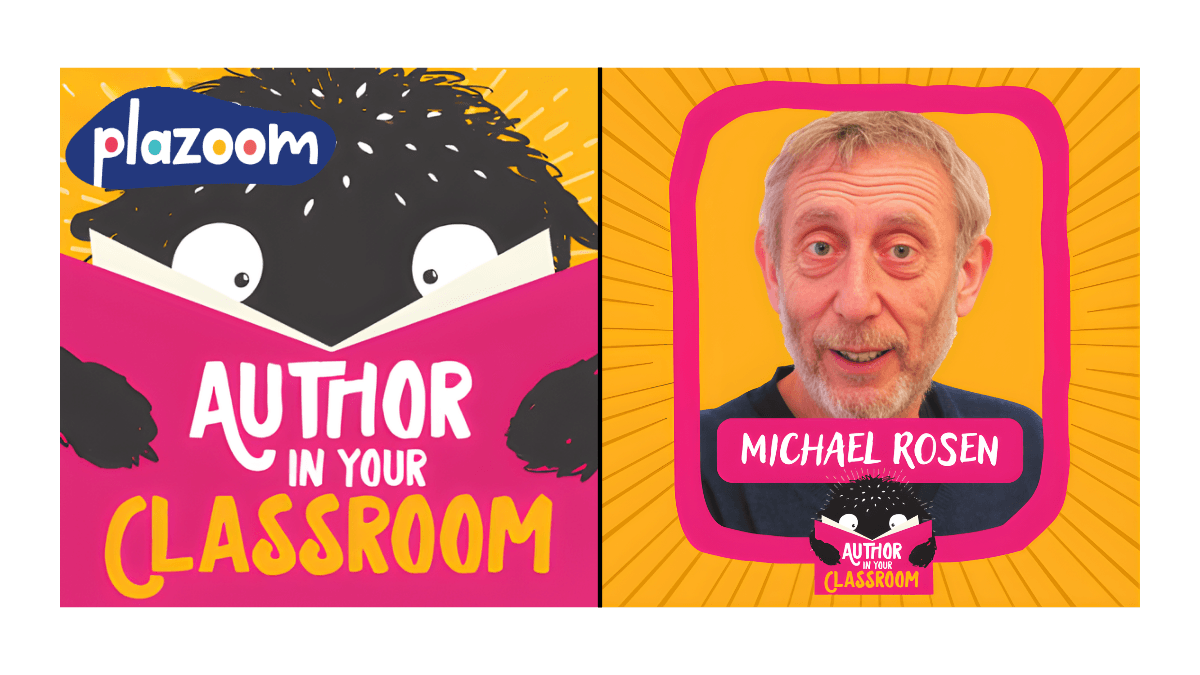
Daydream a poem with Michael Rosen
Deliver an inspiring virtual author experience through an engaging episode of the Author in Your Classroom podcast featuring Michael Rosen. Centred on his anthology On the Move, the session explores themes of migration and identity. Rosen explains how daydreaming can unlock ideas and voice, encouraging young writers to “make it personal” a principle that underpins the entire unit. Pupils study Rosen’s poem The Migrants in Me, responding both emotionally and analytically to its themes. Carefully chosen podcast extracts introduce each stage of learning, while supporting resources, including planning sheets, idea cards and working wall materials, promote independent writing. Teaching overview This four-part unit develops pupils’ poetic skills progressively. The first session introduces daydreaming as a creative strategy, allowing pupils to generate ideas by following their thoughts and linking them to personal experiences, inspired by Rosen’s approach. In the second session, pupils focus on imagery and figurative language. They explore similes, metaphors, personification and idioms, examining how Rosen creates vivid and memorable images. The third session centres on drafting original poetry. Pupils select their preferred form and shape their writing carefully, drawing on personal memories and emotions. The final session focuses on refinement and sharing. Pupils perform their poems, offer feedback and improve selected lines. A class recital provides an opportunity to celebrate their work and build confidence. By the end of the unit, pupils will understand how Michael Rosen crafts authentic, personal poetry. They will recognise the value of daydreaming in the creative process and feel ready to write poems with meaning and purpose.
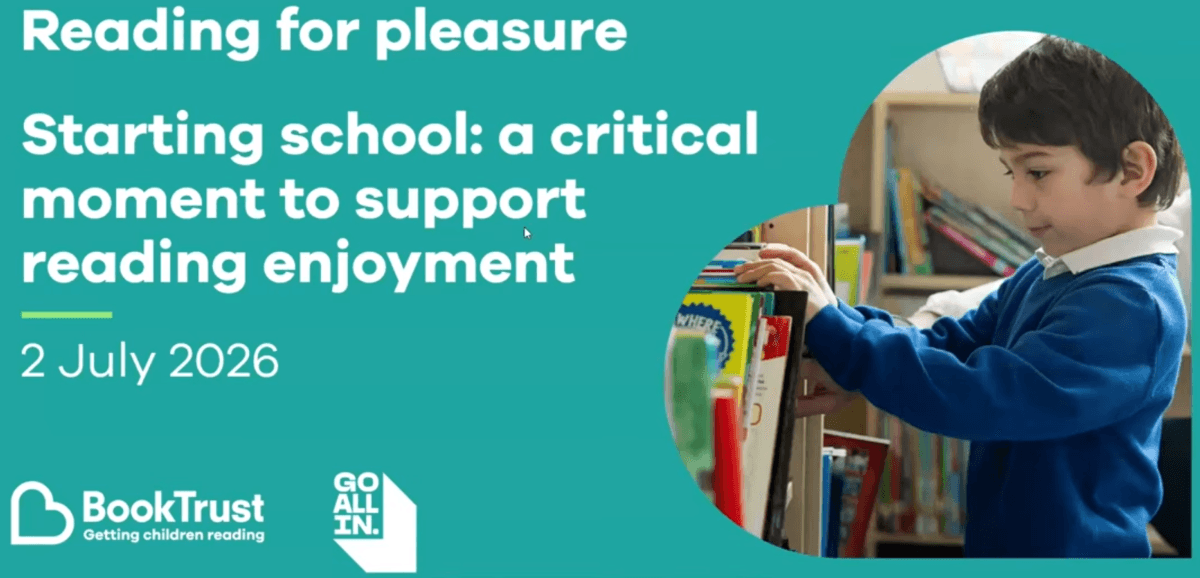
Starting School: A critical moment to support reading enjoyment
Catch up with our webinar about why starting school is a key moment to support reading for pleasure in families. Discover the latest research from BookTrust and hear from author-illustrator Tom Percival and Matthew Courtney, Strategic Lead at Wandle English Hub, about practical strategies for engaging children and families. Discover our evidence-based practice guide here: https://bit.ly/44OvIHb
Create a supervillain with Liz Pichon
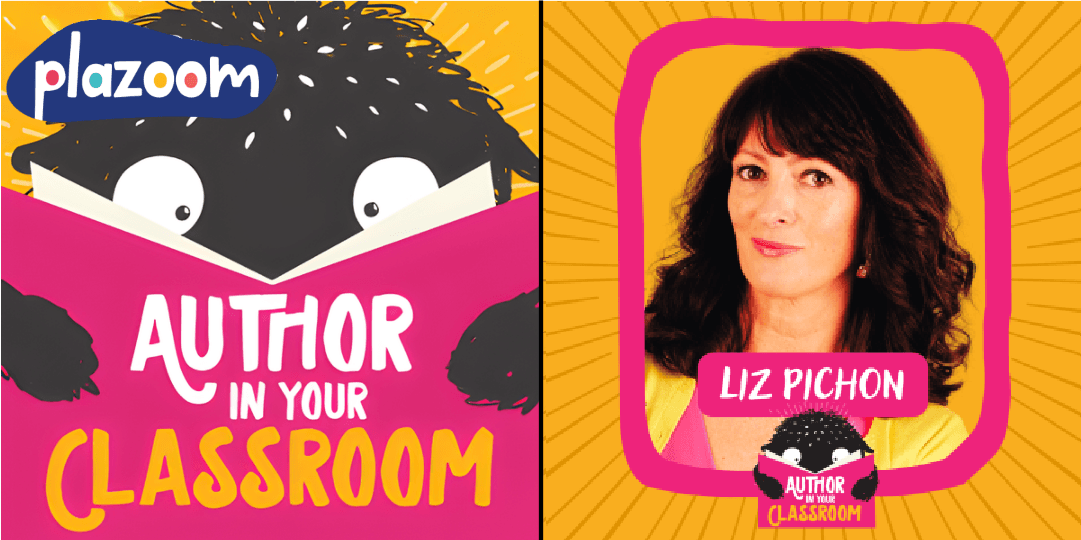
Bring a bestselling children’s author into your classroom and guide pupils through planning and writing a story centred on a supervillain. In this episode of Author In Your Classroom , award-winning author and illustrator Liz Pichon, creator of Shoe Wars and the Tom Gates series, shares practical tips for crafting memorable villains and the worlds they inhabit. She demonstrates how everyday events and real-life stories – like a disagreement between two brothers who made shoes – can spark funny and exciting story ideas. This teaching sequence supports pupils in developing characters, plotting scenes and applying descriptive writing techniques. It takes them from generating initial ideas to creating their own supervillains and writing scenes that bring those characters to life. Carefully selected podcast extracts accompany the unit, providing insight into a professional author and illustrator’s process and encouraging pupils to see themselves as storytellers. Teaching overview Over four sessions, pupils begin by exploring where story ideas come from, collecting inspirations from personal experiences, observations and interests to build a bank of potential stories. They then design a main villain, developing appearance, personality, behaviour and backstory, learning how motivation and depth make characters compelling. Pupils plan and write a scene introducing their supervillain, using techniques modelled by Liz Pichon, including humour, dialogue, alliteration, similes and vivid description. Finally, they expand their story universe, creating settings, objects and doodles to bring their villain’s world to life, using working walls or personal notebooks as inspiration. By the end of the unit, pupils gain confidence in creating imaginative characters and scenes, connecting their writing to authentic author practice while building creativity and storytelling skills.
English Mastery Primary information session
Watch this session to discover everything our subject excellence programme has to offer: dedicated school support, subject-specific CPD, assessment, and comprehensive teaching and learning resources. Download sample resources: https://bit.ly/4pcNnl1 Book a call with our Partnerships team: https://bit.ly/4lR3ovd
Let me hear the real you!
In this webinar, David Byrne and Mark Heffernan will explore the importance of discussing voice and persona with learners. With the development of AI, it’s become even more important for learners to know their voice, to know how they want to come across, and to stand out from AI generated content. This content is available to Modern English Teacher subscribers.