

Supporting students with SEND in Secondary Science
Tuesday, January 12, 2027
Date
10:15 AM - 4:00 PM
Time
Brentwood School, Middleton Hall Ln, Brentwood CM15 8EE
Location
£257.39
Cost
About This Event
For Science teachers and TAs supporting students in science
A 1 day course designed and delivered by The SpLD outreach service and The Science Hub in partnership. This research informed course is a perfect blend of discussion and hands on activities to support both teachers and teaching assistants in ensuring science is accessible to all.
Learning outcomes:
To consider role of the teaching assistant in supporting the teacher effectively
To gain strategies to support the needs of a variety of learners in science
To improve confidence in subject knowledge
To have a better understanding of how to support learners during practical work.
Organiser
The Science Hub
sciencehub@hertsandessex.herts.sch.ukGet notified by email when they post new events.
Share This Event
Related Events

Teachwire Talks - Are you smarter than a Stone Age engineer?
Are your pupils smarter than a Stone Age engineer? Helen Mulley investigates in this episode of Teachwire Talks, alongside Jennifer Wexler from English Heritage and maths communicator Thomas K Briggs. Together, they unpack how Stonehenge was constructed and precisely aligned to the solstices, revealing extraordinary ancient engineering and maths. They also chat about how these prehistoric problems can spark powerful STEM learning in today’s classrooms. Find out how you can bring prehistory to life with a school visit to Stonehenge . About the guests Jennifer Wexler is the historian of prehistoric sites at English Heritage, and former project curator on the Grave Goods Project and World of Stonehenge Exhibition at the British Museum. Her research interests include archaeological and mortuary landscapes, digital heritage, forgotten histories, and the public presentation of archaeology. Thomas K Briggs is a learning and education consultant for museums, galleries, libraries and archives, in the heritage sector and beyond. He is the author of The Mathematician’s Library , about the books that unlocked the power of number, and has also set up the History and Mathematics in Education Network (HaMiEN) to encourage and facilitate connections between people interested in history and maths.
SEND reforms – challenges, opportunities and next steps for schools
We bring together experts with specialisms in SEND, inclusion, alternative provision and more to discuss the SEND Reform: ‘Putting Children and Young People First’. We discuss the challenges, opportunities and gaps in the reforms and share advice on practical next steps for the new academic year and beyond. What the ‘universal offer’ should include to be effective in mainstream education How Individual Support Plans (ISPS) can help provide consistency between school systems supporting transition between different settings What schools need to consider to ensure inclusion bases work well in practice How alternative provision and mainstream settings can work more closely together Clarity on what detail is needed to address gaps in the current documentation and give schools clearer next steps
Data informed decision making - Your Choice webinar recording
Get the highest quality CPD from experts at your convenience, with nasen's SEND CPD on Demand - The ultimate flexible training resource. This webinar explores how effective data collection and analysis can improve decision making, and have positive impact on SEND provision across settings . • The importance of sound, evidence and data informed decision making • The decisions we make – provision management • What data sets do we use • How do we analyse data and why • The difference evidence based practice makes Full access to this resource is available for £10.
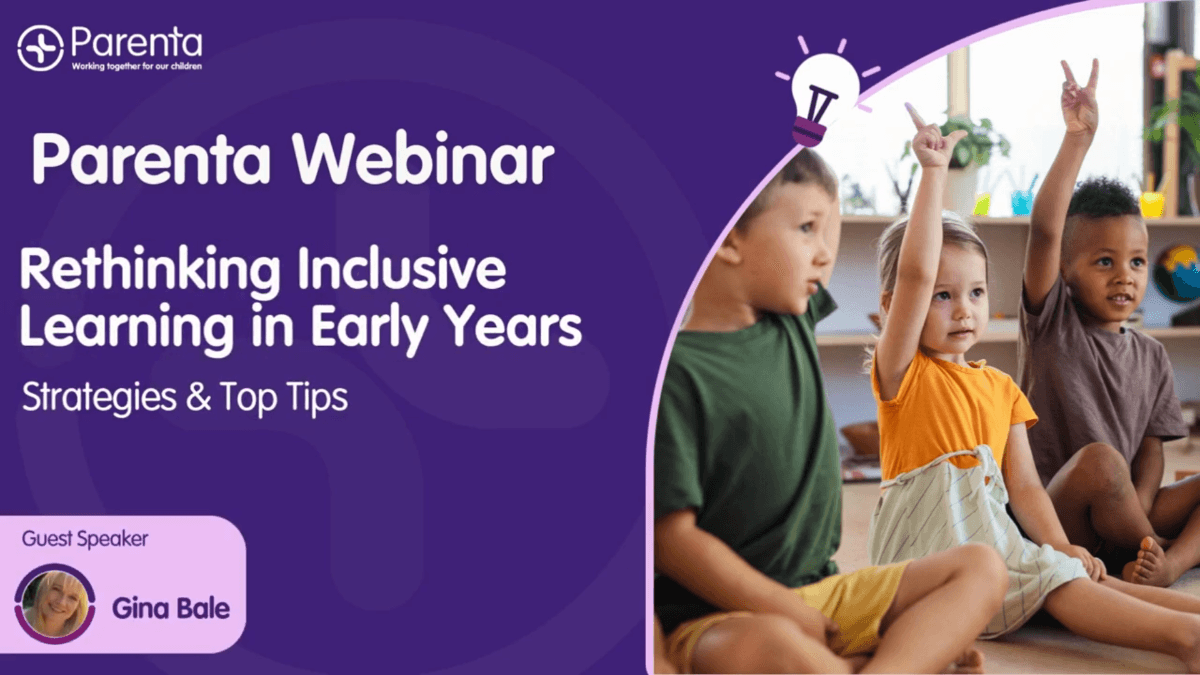
Rethinking Inclusive Learning in Early Years – Strategies & Top Tips
In this inspiring and practical webinar, Gina Bale explores how inclusive, holistic learning helps every child thrive by focusing on possibilities rather than limitations. Drawing on her expertise in movement, music, storytelling and SEND practice, Gina shares simple, creative strategies that can be implemented immediately to build communication, confidence and early literacy through meaningful play. This session demonstrates how observing children's individual interests and strengths can transform everyday activities into rich learning experiences that support communication, problem-solving, language development and inclusion. Ideal for early years practitioners, managers and nursery owners, this webinar offers practical ideas to create engaging environments where every child has the opportunity to succeed. What you'll learn: How movement, music and storytelling create strong foundations for communication and literacy Why observing the whole child leads to more inclusive and effective practice Practical ways to differentiate activities so every child can participate and thrive Simple strategies to build confidence, language and learning through play and meaningful interactions A must-watch for anyone working in early years settings who wants to create truly inclusive learning experiences and help every child spread their wings.

Creating inclusive learning environments
This edition of the SecEd Webinar on Tuesday, October 6, offered practical ideas, examples and advice for creating effective inclusive learning environments in schools. This webinar offered practical ideas, examples and advice for creating effective inclusive learning environments in the primary and secondary school. The discussion focused on both classroom environments as well as other learning spaces commonly found across the primary or secondary school including library spaces, sensory rooms, and the new Schools White Paper proposals for inclusion bases or hubs. The panel featured expertise from practicing school leaders from both the mainstream and special education sector with lots of examples, lessons learned, tips and things to avoid. The hour-long webinar discussed the challenges presented by the increasing number of children with SEN in our schools which comes alongside an ageing school estate and falling pupil rolls overall. At the same time the government has put inclusive mainstream education at the heart of its recent Schools White Paper – including plans for every secondary school to have an “inclusion base” where they can deliver additional support and small group work.

No Running in the Corridors - No diagnosis? No special support
How can families unlock the support their child needs, and does it have to involve a formal diagnosis for schools to provide it? In this episode, host Helen Mulley is joined by former headteacher Lucy Rundle and parent Laura Albero, whose children have SEND. Together, they explore what equitable support really looks like, and whether schools can respond effectively to individual needs within a system of limited resources and increasing demand.
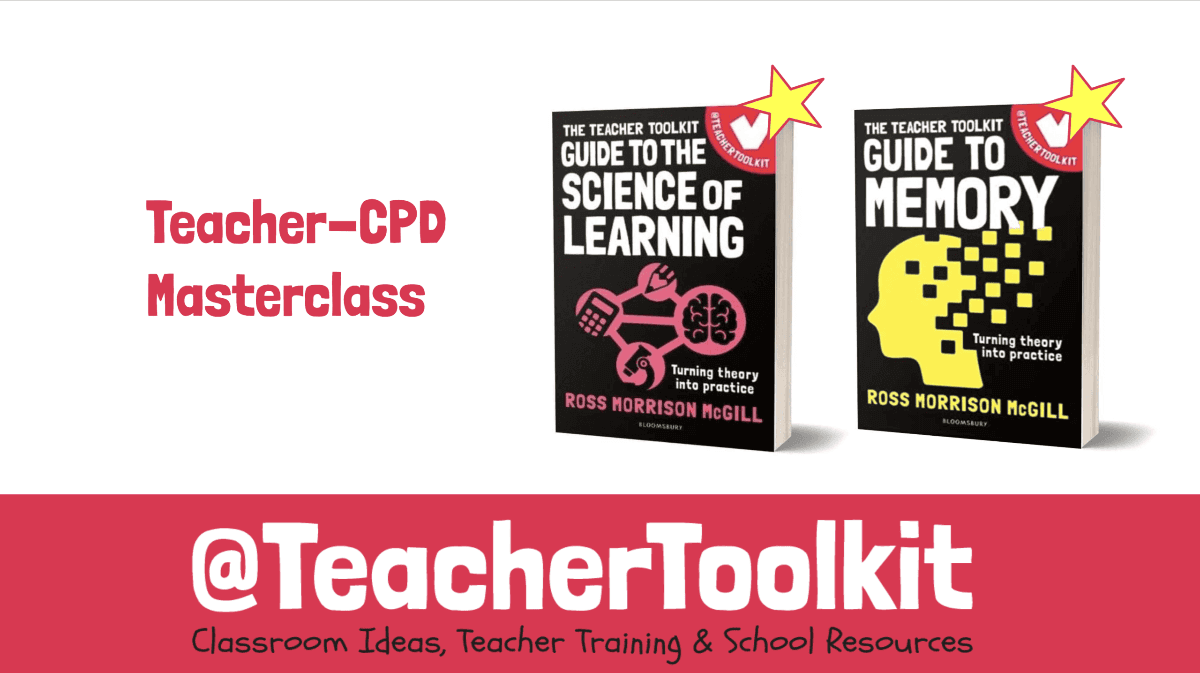
Understanding Anxiety & Learning Masterclass
Cost £49.99 This practical masterclass helps teachers understand how anxiety, attention and working memory influence learning. Drawing on The Teacher Toolkit Guide to Memory and The Teacher Toolkit Guide to the Science of Learning, the webinar introduces cognitive overload, neurodivergence, metacognition and the conditions students need to encode, store and retrieve knowledge. This download includes a 13-minute on-demand webinar, a 17-slide CPD presentation and one key practical resource. The webinar addresses one question: How does learning happen? This beginner’s guide to attention and working memory helps support teachers working with SEND and neurodiversity considerations, offering an introduction to MRI and fMRI research. Ideal for classroom teachers, middle leaders and senior leaders Ideal for SENDCos, inclusion leads developing their understanding of cognitive science Perfect for CPD leaders who want practical ideas to share for whole-school training This resource supports cognitive science, classroom practice and evidence-informed CPD. Save when you purchase the full CPD subscription series / or top membership option.

Applying specialist SEND expertise to the primary classroom
Are you looking for effective strategies to support children with SEND in your classroom? We’ve got you covered! Watch our recorded webinar session, where leading experts in reading and dyslexia from specialist settings share their invaluable advice and guidance. This session explores practical strategies for creating inclusive learning opportunities for pupils with SEND and unlocks methods to assess their progress. We also address behavioral challenges, explore techniques to support emotional needs, and share best practices from specialist SEND teachers that you can implement in your classroom. Hosted by Karra Mcfarlane, OUP’s Primary Literacy Publisher and SEND specialist, this webinar features insightful conversations with: Stephen Passey, a reading specialist from The Gallery Trust special schools’ group Michelle Catterson and Katrina Millard, experts in teaching children with dyslexia from Moon Hall Dyslexia Specialist School. Michelle is Chair of the Board for the British Dyslexia Association.
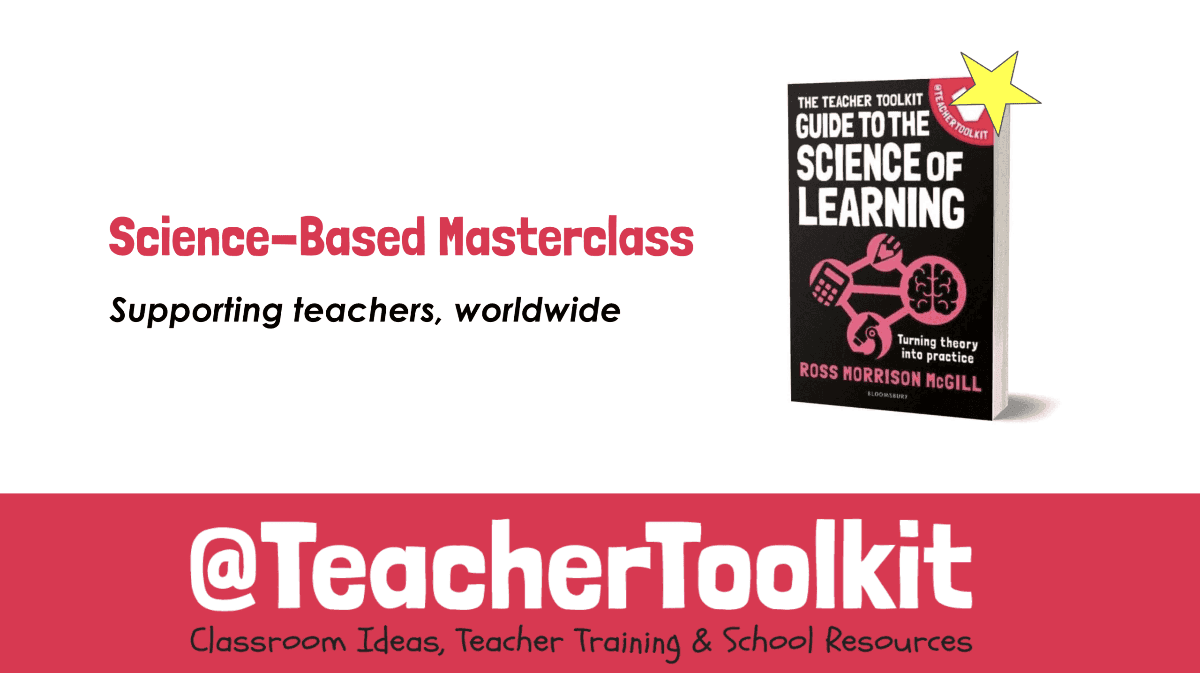
Science-Based Teaching Masterclass
Cost £41.66 This practical masterclass helps teachers, schools, and college leaders understand what science-based teaching looks like in real classrooms. Drawing on The Teacher Toolkit Guide to the Science of Learning, the webinar explores attention, working memory, cognitive load, prior knowledge, neuromyths and the cautious use of MRI and fMRI research in education. This download includes a 13-minute on-demand webinar, a 26-slide CPD presentation and practical supporting resource pack with explanations of attention and working memory, guidance on cognitive overload and prior knowledge and an introduction to MRI and fMRI research. This resource is: Ideal for classroom teachers working in EYFS through to FE. Perfect for teaching and learning leaders Great for CPD leaders who want practical ideas to share for whole-school training This resource supports cognitive science, classroom practice and evidence-informed CPD. Save when you purchase the full CPD subscription series / or top membership option.
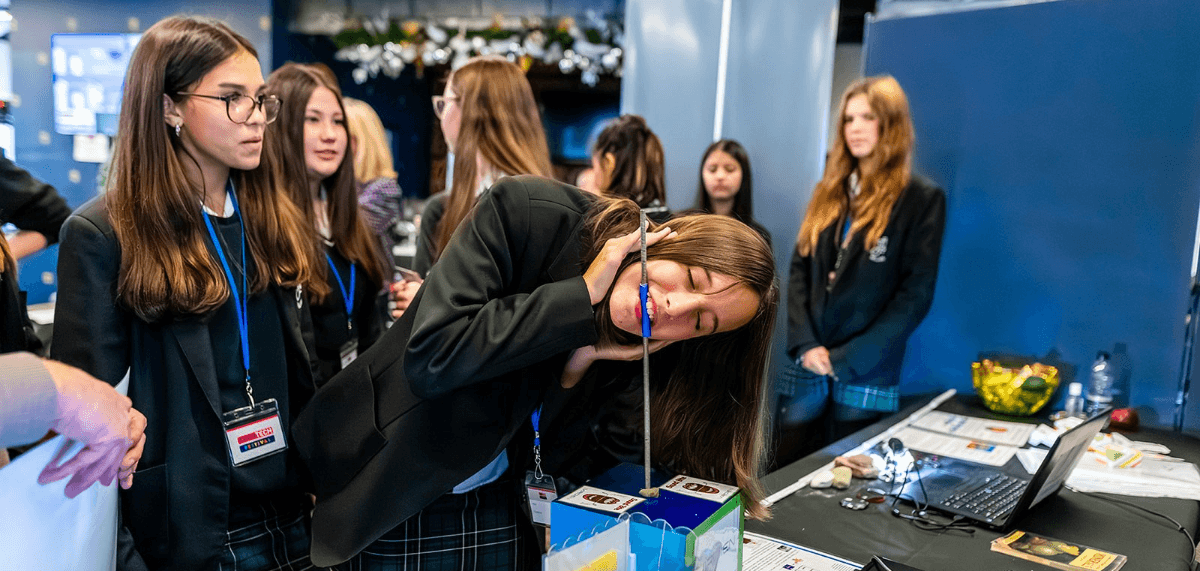
TeenTech Sussex Festival
We are delighted to be returning to Sussex in Autumn 2026 for our fourth TeenTech Sussex Festival, and we are delighted to partner with the West Sussex, Brighton and Hove Careers Hub, a part of the Careers & Enterprise Company’s (CEC) national network of Careers Hubs, London Gatwick and Arup, to deliver this experience. This event will bring together students across the region for an exciting interactive programme helping young people understand the range of opportunities across digital, science and technology and the many different entry points. A virtual innovation session will precede the in-person event at the Brighton Racecourse to enable schools to involve as many Year 8/Year 9 students as they wish. We have a limited number of places available for this special day, and early booking is recommended. Open only to schools in Sussex.
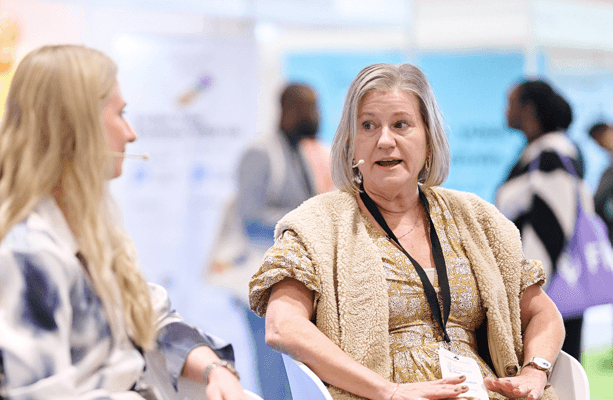
Nursery Management Show 2027
Nursery Management Show is the largest event dedicated to nursery management and leadership. Join us for one day of insightful content, discussion and networking for senior leaders in the early years sector. Reasons to attend 4 content theatres: Leadership, Operational Excellence, NMT Owners Club, SEND 60+ industry-leading speakers The latest knowledge, insights and expert advice 100+ exhibitors showcasing innovative products and services Networking opportunities with like-minded professionals Mentoring scheme (book one-to-one sessions with influential figures in the sector) Fully accredited CPD Tickets are free to nursery providers

Neuroprocessing Challenges in Education
This workshop explores neurodiversity and its relevance to the practice of education. This workshop explores neurodiversity and its relevance to educating practice. Conditions such as autism, ADHD, and trauma can affect neural processing, influencing how people learn. Using accessible neuroscience and learner perspectives, the workshop examines questions like: What if a learner cannot visualise? What if they struggle to memorize? How might traditional approaches unintentionally exclude neurodivergent experiences? You will explore experiences including aphantasia, alexithymia, anendophasia, and severely deficient autobiographical memory (SDAM), and develop practical strategies to respond effectively. The workshop will support you in creating inclusive, learner-centred practice that respects each individual’s way of experiencing the world.