
Curriculum and Assessment For Autistic Learners
Monday, November 23, 2026
Date
9:30 AM - 12:00 PM
Time
Phoenix Upper School, Paton Cl, Bow, London, E3 2QD
Location
£0 - £300
Cost
About This Event
Discover practical curriculum and assessment systems for autistic learners, including Engagement Model approaches.
This training is delivered by senior leaders from Phoenix School, a specialist provision in Tower Hamlets supporting over 500 autistic learners.
Drawing on expertise in education, communication and speech and language therapy, we will share the curriculum, assessment and moderation approaches developed and refined within our specialist setting.Designed for learners working within Engagement Model and pre-national curriculum pathways, this session will explore how curriculum, assessment and communication provision work together to support meaningful learning.
Delegates will gain practical strategies for developing communication-rich classrooms, embedding AAC and other communication supports, and ensuring that assessment captures progress in communication as well as academic learning.Participants will receive practical tools, examples and resources that can be adapted and implemented within their own provision.
Delegates will gain access to tried-and-tested systems that support meaningful curriculum planning, robust assessment, effective communication provision and clear evidence of pupil progress.
Who is this training for?
Suitable for any provision supporting autistic learners of primary age or learning level, including pupils learning at an informal level. This includes alternative provisions, specialist classrooms, resource bases and special schools seeking to strengthen curriculum, assessment and communication practice for learners with complex needs
Organiser
Phoenix School
admin@phoenix.towerhamlets.sch.ukGet notified by email when they post new events.
Share This Event
Related Events

Data informed decision making - Your Choice webinar recording
Get the highest quality CPD from experts at your convenience, with nasen's SEND CPD on Demand - The ultimate flexible training resource. This webinar explores how effective data collection and analysis can improve decision making, and have positive impact on SEND provision across settings . • The importance of sound, evidence and data informed decision making • The decisions we make – provision management • What data sets do we use • How do we analyse data and why • The difference evidence based practice makes Full access to this resource is available for £10.
SEND reforms – challenges, opportunities and next steps for schools
We bring together experts with specialisms in SEND, inclusion, alternative provision and more to discuss the SEND Reform: ‘Putting Children and Young People First’. We discuss the challenges, opportunities and gaps in the reforms and share advice on practical next steps for the new academic year and beyond. What the ‘universal offer’ should include to be effective in mainstream education How Individual Support Plans (ISPS) can help provide consistency between school systems supporting transition between different settings What schools need to consider to ensure inclusion bases work well in practice How alternative provision and mainstream settings can work more closely together Clarity on what detail is needed to address gaps in the current documentation and give schools clearer next steps
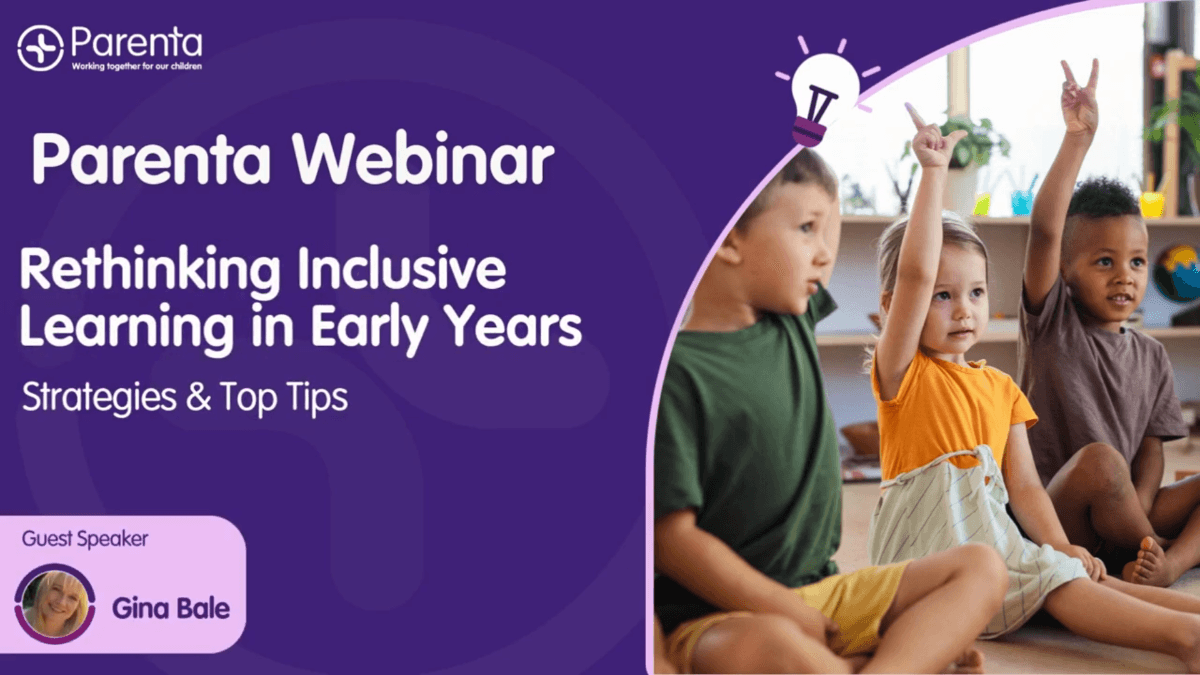
Rethinking Inclusive Learning in Early Years – Strategies & Top Tips
In this inspiring and practical webinar, Gina Bale explores how inclusive, holistic learning helps every child thrive by focusing on possibilities rather than limitations. Drawing on her expertise in movement, music, storytelling and SEND practice, Gina shares simple, creative strategies that can be implemented immediately to build communication, confidence and early literacy through meaningful play. This session demonstrates how observing children's individual interests and strengths can transform everyday activities into rich learning experiences that support communication, problem-solving, language development and inclusion. Ideal for early years practitioners, managers and nursery owners, this webinar offers practical ideas to create engaging environments where every child has the opportunity to succeed. What you'll learn: How movement, music and storytelling create strong foundations for communication and literacy Why observing the whole child leads to more inclusive and effective practice Practical ways to differentiate activities so every child can participate and thrive Simple strategies to build confidence, language and learning through play and meaningful interactions A must-watch for anyone working in early years settings who wants to create truly inclusive learning experiences and help every child spread their wings.

Making testing more creative and authentic
Speaker Paula Asad Session information Have you ever felt overwhelmed by stacks of test papers, questioning whether they truly reflect what your learners know or can do? In this practical webinar, we reimagine traditional testing and explore creative strategies to help learners authentically demonstrate their learning. Discover how to use whiteboards and exit tickets for instant feedback, how to apply teach-back methods to deepen understanding and how to design authentic assessments that foster higher-order thinking.

No Running in the Corridors - No diagnosis? No special support
How can families unlock the support their child needs, and does it have to involve a formal diagnosis for schools to provide it? In this episode, host Helen Mulley is joined by former headteacher Lucy Rundle and parent Laura Albero, whose children have SEND. Together, they explore what equitable support really looks like, and whether schools can respond effectively to individual needs within a system of limited resources and increasing demand.

How can assessment be inclusive?
Speaker Nashwa Aly Muhammad Session information This practical session addresses the limitations of one-size-fits-all assessments. It explores the positive impact of creating equitable opportunities for all learners, including those with special educational needs, while catering to cultural differences and varied learning preferences. Learn about the key principles of accessible and inclusive assessment and how to integrate these to accommodate diverse needs, by providing alternative testing formats and designing fair and unbiased assessments.
Webinar: KS3 - The intellectual powerhouse of the secondary school
Too often, KS3 is seen as a warm-up for the 'real' work of KS4. But what if it’s actually the engine room of thinking, curiosity, and confidence? In this session, Mary talks with Steve Willshaw and Alex Fairlamb about the research supporting a more demanding offer for pupils at Key Stage 3.
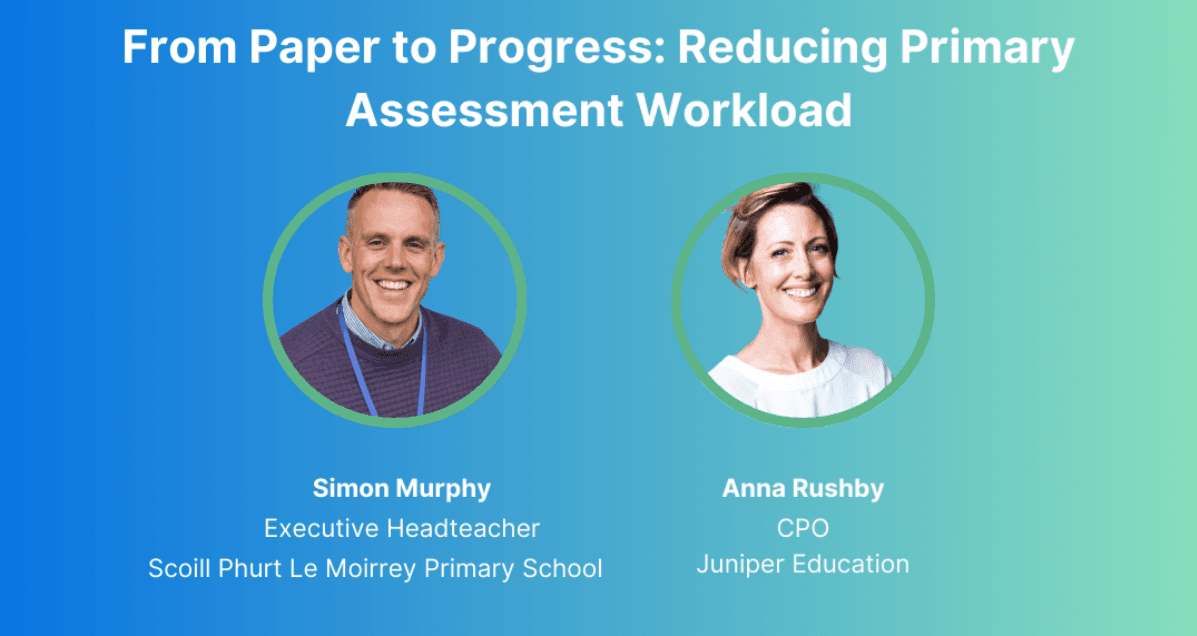
From paper to progress: Reducing primary assessment workload
In this webinar, Simon Murphy, Executive Headteacher at Scoill Phurt Le Moireey School, joins Anna Rushby, Chief Product Officer at Juniper Education, to share how his primary school changed its approach to assessment tracking. You’ll hear the practical steps taken to reduce admin, introduce new ways of working, and give teachers more time to focus on pupil progress. A real account of leading change in a school, including what worked and what they would do differently.
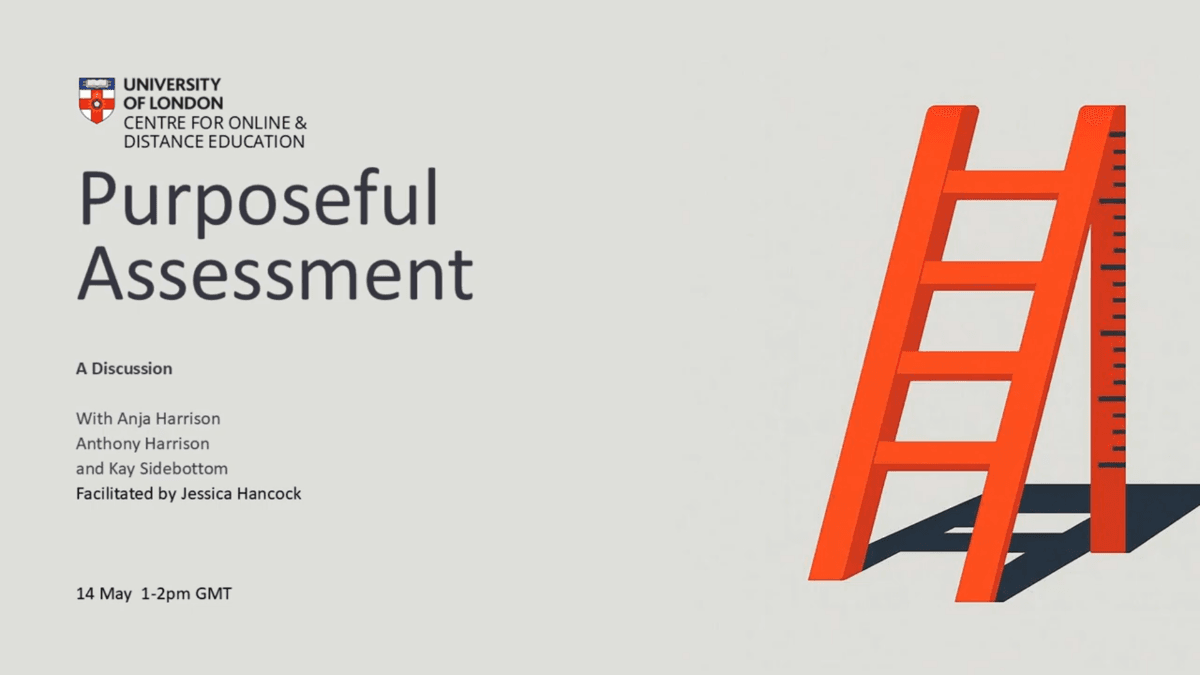
Purposeful assessment
In the sixth session of the free CODE learning and teaching webinar series , we will explore how we can design assessments that have purpose: to both measure whether students have met their learning outcomes, and also act as a learning opportunity in themselves. We will consider how the purpose of assessment can be to encourage not only learning, but also creativity and criticality, and what this might look like across different disciplines or institutions. How can we do this in the context of GenAI where students might be less motivated to focus on their own thoughts or responses in fear of getting it wrong, or in a situation when they feel too time-poor to successfully complete assessment? This session will explore some answers and approaches to this wicked problem. Purposeful assessment also needs to enable compassion and inclusivity, to ensure that all students feel able to get the most out of assessment opportunity - so these considerations will also be foregrounded during the session.
Creating Dyslexia-Inclusive Schools: A Capacity Building Programme
This two-part course explores key areas for primary schools in supporting pupils with dyslexia and literacy difficulties. This course explores key areas for primary schools in supporting pupils with dyslexia and literacy difficulties. The course aims to build school capacity through: Developing SENCo and English Lead knowledge of dyslexia Exploring appropriate assessment and target-setting approaches Developing effective whole-class strategies through high-quality teaching Coordinating SpLD (dyslexia) provision within school, including the use of appropriate interventions Managing parental and pupil concerns relating to dyslexia Day 1: Thursday 15th October 9:00am to 3:30pm · UK Definition of Dyslexia (New Delphi 2025) Early identification and assessment: formative and summative tools to support schools in identifying pupils with a dyslexic profile and informing reasonable adjustments and provision Exploring the impact of dyslexia on children and young people (CYP) Using assessment information to inform planning and next steps GAP TASK - Assessment Day 2: Thursday 5th November, 9:00am to 3:30pm Dyslexia-Friendly Classrooms: effective high-quality adaptations and the removal of barriers to learning An introduction to targeted and personalised interventions Developing policy and practice, including whole-school ethos and working with parents and external agencies Delegates will receive a toolkit to support implementation of learning and the development of ongoing good practice within school. An audit tool will be used throughout the course to help identify key actions for delegates to take forward on their return to school. Following attendance on both days, delegates will also be given access to CPD materials suitable for a staff meeting. Outcomes Through this training, delegates will: Understand current definitions of dyslexia Use current assessment approaches to support the identification of pupils with SpLD (dyslexia) Understand how to remove barriers so pupils with a profile of dyslexia thrive Use the toolkit to audit current provision and develop an action plan to strengthen capacity and support for pupils with SpLD (dyslexia)

Education Conference | Dyslexia: Closing the gap
Don’t miss this day of accelerated professional learning. Gain essential skills and knowledge to be part of the solution to Scotland’s dyslexia attainment gap. Keynote Louise Selby will share immediately applicable techniques in morphology, the alternative reading method that supports children and young people to break down language and unlock its meaning – a critical foundation for curriculum-wide success. There will be take away actionable insights from expert in-depth workshops and seminars on dyslexia-focused teaching interventions for primary and secondary settings. Early bird member £135 Early bird non-member £160 Full rate member £165 Full rate non-member £190
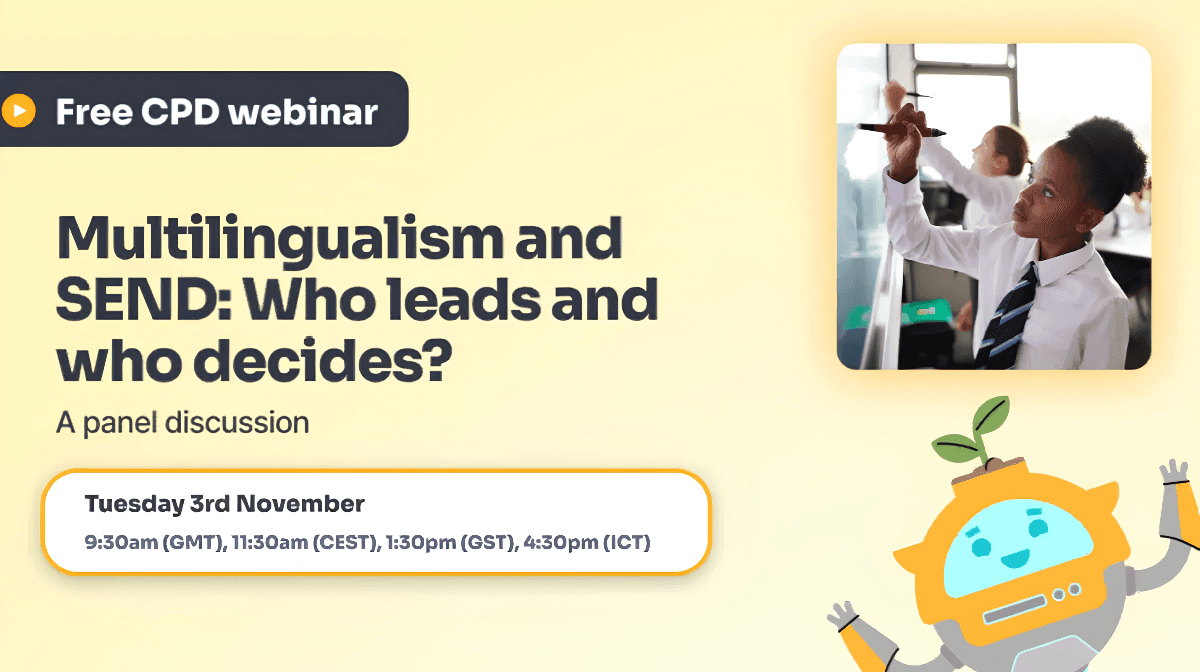
Multilingualism and SEND: Who leads and who decides?
How do I know if my multilingual learners have SEND or if they’re “just catching up?” And whose role is it to find out? Join us for this panel webinar as experienced multilingualism and SEND specialists from UK and international schools explore how schools can build clear, collaborative processes around this decision. Getting it right depends on each member of the team around the learner working together at the right moments. This session looks at how to design that process. Attendees will leave with: Clarity on which roles should be involved at each stage, from initial concern through to a formal decision Practical approaches for sharing information between multilingualism and SEND leads Greater confidence in building a whole-school process that supports earlier and more accurate identification