
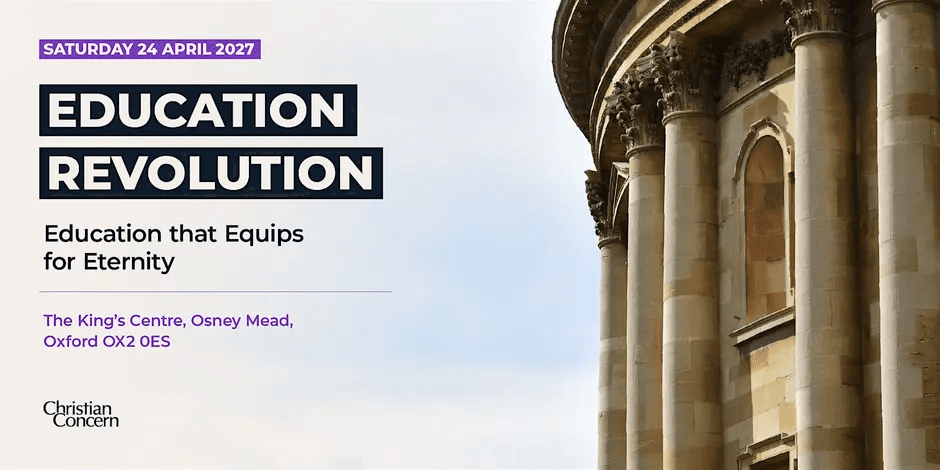
Education Revolution 2027 - Education that Equips for Eternity
Saturday, April 24, 2027
Date
9:30 AM - 5:30 PM
Time
The King's Centre, Osney Mead, Oxford OX2 0ES
Location
£40 - £45
Cost
About This Event
In April 2026, we hosted our annual Education Revolution Conference in London. Building on the growing momentum, we are already preparing to gather again in 2027 to network, support and equip faithful Christians who are wanting to develop bold education initiatives, and also those who are seeking to remain faithful in the education sphere.
We want to gather home educators, school teachers, parents, leaders and academics to consider together the issues regarding educating God’s children and young people for his purposes. The focus of the 2027 conference will be: Education that Equips for Eternity.
After lunch, there will be a variety of practical seminars to choose from, led by experts and practitioners, on key topics facing Christians in education and how we can respond.
Please note the programme is subject to change.
Throughout the day there will be an opportunity to view exhibitors, so be sure to visit our Christian Concern stand to connect with us, meet some of our team, and gain more resources.
Ticket Information
Super Early Bird tickets are £45
Even better together: book as a group and get 3 tickets for just £120
Book by 30 November 2026 to secure the discount!
A sandwich lunch and refreshments will be provided and is included in the ticket cost.
Please note that ticket sales will end on Monday 19 April 2027. If you have questions about this, please contact our events team at events@christianconcern.com
Organiser
Christian Concern
events@christianconcern.comGet notified by email when they post new events.
Share This Event
Related Events
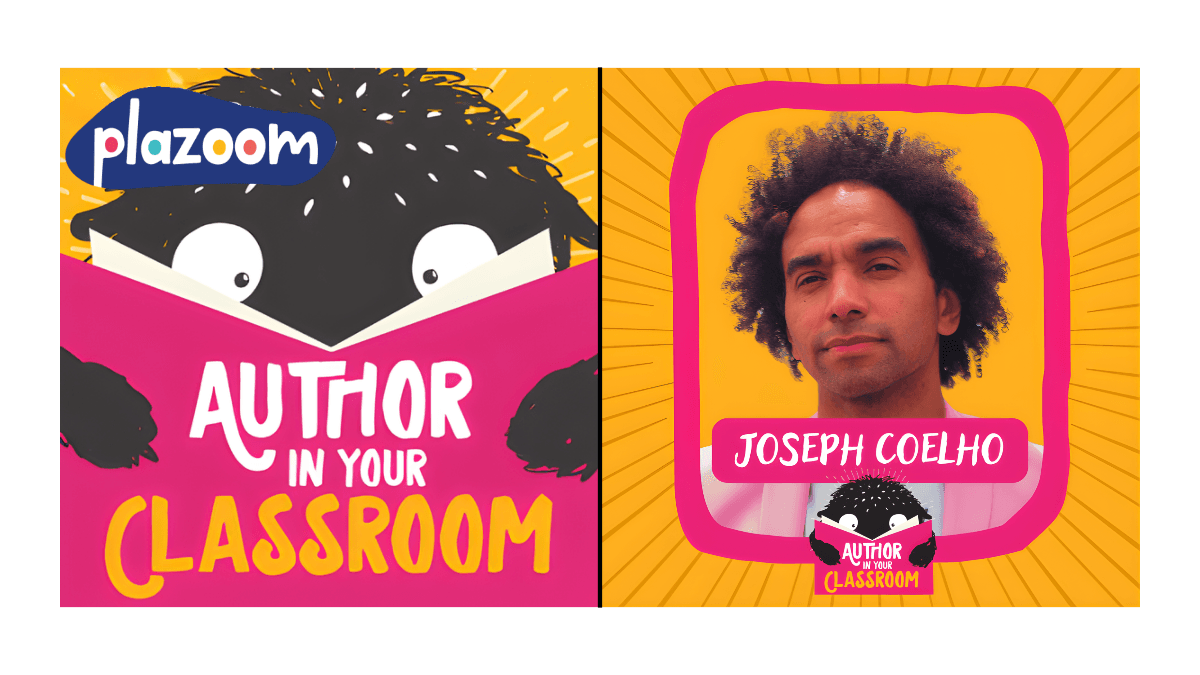
Explore poetry prompts with Joseph Coelho
In this comprehensive teaching sequence, Joseph Coelho introduces KS2 pupils to poetry, showing how simple prompts can spark ideas and lead to powerful performances. Built around an episode of the Author in Your Classroom podcast, the unit supports children in exploring what poetry is and how it works. Pupils read, listen, write and refine their own pieces, guided by insights from the Children’s Laureate and equipped with techniques they can use straight away. Teaching overview The sequence begins by looking at Coelho’s journey as a poet and his belief that poetry belongs to everyone. Pupils listen to a performance of This Bear, discuss their responses and consider how delivery shapes meaning. They then experiment with performing poetry themselves, making notes and sharing with peers. Next, pupils explore a ‘poetry toolbox’, identifying figurative language and key techniques within the text. By annotating and discussing Coelho’s choices, they begin to understand how poets create impact. The focus then shifts to idea generation. Using short video prompts, pupils gather words, images and phrases, recording their thoughts on planning sheets. These ideas form the foundation for their own writing as they begin drafting with increasing confidence. Attention then turns to editing and improvement. Pupils revisit their work, enhancing vocabulary, adding detail and refining techniques to better achieve their intended effect. The unit concludes with performance and publication. Pupils share their poems, celebrate each other’s work and leave with a strong sense of themselves as poets.

Understanding your context: A practical introduction
Understanding your context In the first event in our series of webinars on practical approaches for your teaching context, two of our course tutors introduce strategies for making your teaching relevant to your learners, your classroom and your wider context. The second session focuses on designing projects that celebrate local culture and cultural exchange while building communication, teamwork and creativity. These activities strengthen learner confidence and place an understanding of culture and context at the heart of your classroom. The live event took place on 17 April 2026. In this practical introduction to the professional practice Understanding your context, our course tutors will explore how you can adapt materials and resources to suit your learners' needs, interests and backgrounds. They will share resources and strategies for teaching large, mixed-level classes. You will find out how your learners' home languages and cultures can become valuable resources in the classroom.

Making testing more creative and authentic
Speaker Paula Asad Session information Have you ever felt overwhelmed by stacks of test papers, questioning whether they truly reflect what your learners know or can do? In this practical webinar, we reimagine traditional testing and explore creative strategies to help learners authentically demonstrate their learning. Discover how to use whiteboards and exit tickets for instant feedback, how to apply teach-back methods to deepen understanding and how to design authentic assessments that foster higher-order thinking.
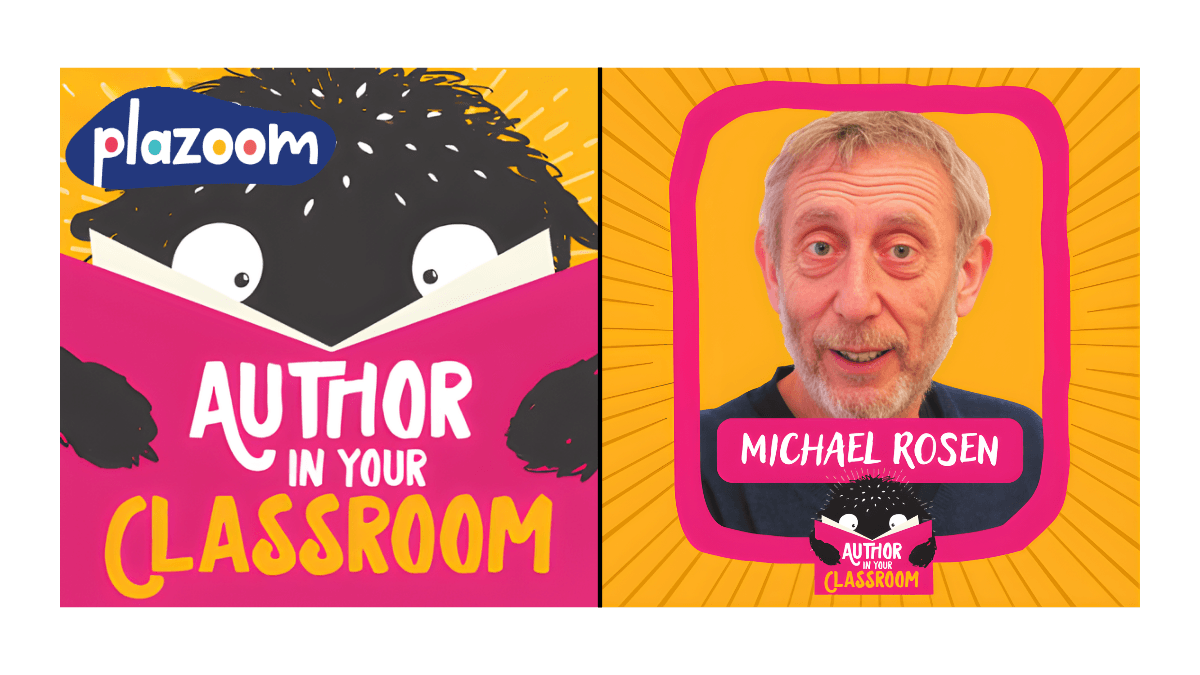
Daydream a poem with Michael Rosen
Deliver an inspiring virtual author experience through an engaging episode of the Author in Your Classroom podcast featuring Michael Rosen. Centred on his anthology On the Move, the session explores themes of migration and identity. Rosen explains how daydreaming can unlock ideas and voice, encouraging young writers to “make it personal” a principle that underpins the entire unit. Pupils study Rosen’s poem The Migrants in Me, responding both emotionally and analytically to its themes. Carefully chosen podcast extracts introduce each stage of learning, while supporting resources, including planning sheets, idea cards and working wall materials, promote independent writing. Teaching overview This four-part unit develops pupils’ poetic skills progressively. The first session introduces daydreaming as a creative strategy, allowing pupils to generate ideas by following their thoughts and linking them to personal experiences, inspired by Rosen’s approach. In the second session, pupils focus on imagery and figurative language. They explore similes, metaphors, personification and idioms, examining how Rosen creates vivid and memorable images. The third session centres on drafting original poetry. Pupils select their preferred form and shape their writing carefully, drawing on personal memories and emotions. The final session focuses on refinement and sharing. Pupils perform their poems, offer feedback and improve selected lines. A class recital provides an opportunity to celebrate their work and build confidence. By the end of the unit, pupils will understand how Michael Rosen crafts authentic, personal poetry. They will recognise the value of daydreaming in the creative process and feel ready to write poems with meaning and purpose.

Plan an action story with Jason Rohan
Invite a professional children’s author into your classroom with this dynamic action-writing unit inspired by Jason Rohan’s S.T.E.A.L.T.H: Access Denied. Linked to the Author In Your Classroom podcast, this resource guides KS2 pupils through creating high-energy action stories with engaging characters and fast-paced plots. Rohan shares how his Marvel Comics internship in New York and experiences living in Japan influenced his storytelling and shaped his creative process. Short podcast clips accompany each stage of the teaching sequence, offering pupils a behind-the-scenes look at how authors plan and craft their stories. Teaching overview Across the structured sessions, pupils will: Find story inspiration – Explore how Rohan discovers ideas and use visual prompts to generate their own “jumping-off points.” Plan story arcs – Map beginnings and endings to maintain pace using comic-style planning sheets. Create contrasting characters – Analyse traits and apply “role-on-the-wall” templates to develop richer characters. Craft gripping openings – Understand why strong openings hook readers and practise writing their own. Write action-packed scenes – Use short, punchy sentences to build momentum and structure stories with clear action and transitions.

How can assessment be inclusive?
Speaker Nashwa Aly Muhammad Session information This practical session addresses the limitations of one-size-fits-all assessments. It explores the positive impact of creating equitable opportunities for all learners, including those with special educational needs, while catering to cultural differences and varied learning preferences. Learn about the key principles of accessible and inclusive assessment and how to integrate these to accommodate diverse needs, by providing alternative testing formats and designing fair and unbiased assessments.
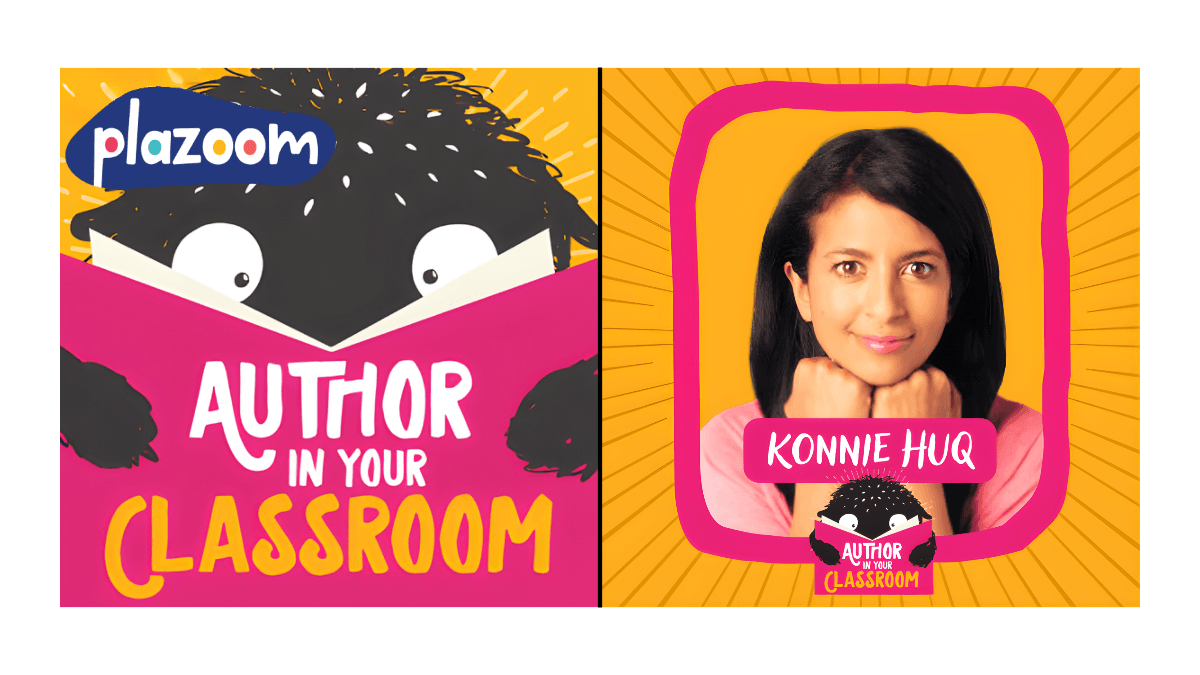
Write modern fairy tales with Konnie Huq
Introduce a fresh approach to storytelling in your classroom with this engaging creative writing unit, where KS2 pupils reimagine classic fairy tales for a modern audience. Across the sequence, children examine how well-known characters and narratives can be updated, helping traditional stories feel meaningful and exciting for today’s readers. This fully resourced unit includes carefully selected clips from the Author in Your Classroom podcast featuring Konnie Huq. These extracts support each stage of learning, offering insight into the creative process of a professional author and illustrator while encouraging pupils to develop their own storytelling voice. Teaching overview Structured over four linked sessions, the unit takes pupils from exploring familiar tales through to crafting their own original narratives. Children begin by revisiting traditional fairy tales, identifying core elements such as character, setting and theme. Using podcast clips, they consider how writers adapt these features for contemporary audiences, introducing humour, unexpected twists and diverse representation. Pupils then plan their own updated versions of fairy tales, aiming to surprise the reader while retaining recognisable story foundations. The sequence concludes with drafting, editing and refining a complete piece of writing, supported by peer discussion and reflection. By the end of the unit, pupils will feel more confident as writers and gain a clearer understanding of how stories can be reshaped while still respecting their origins.
Bring mythology into the modern world with Louie Stowell
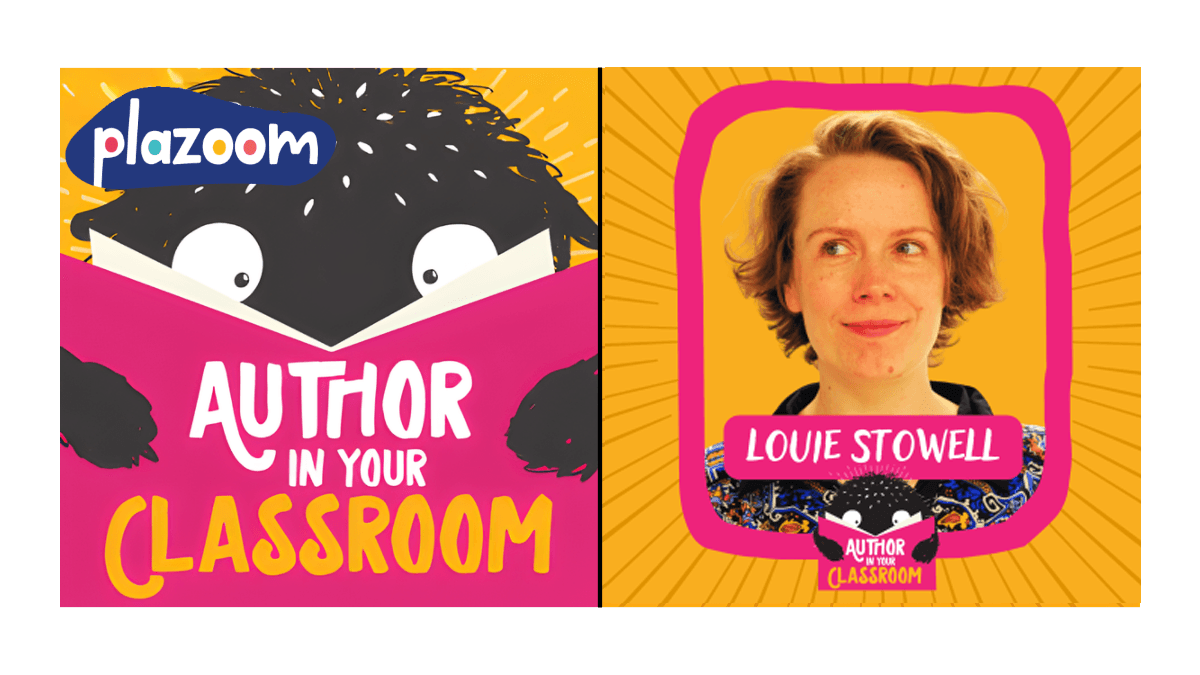
Discover the art of creative writing with a virtual author visit from Louie Stowell, creator of Loki: A Bad God’s Guide to Being Good. This unit connects directly with the Author In Your Classroom podcast, bringing storytelling and mythological themes straight into English lessons. Pupils will explore the world through the eyes of a mischievous god living on Earth, developing their descriptive and narrative skills while gaining insight into how professional authors work. The sequence guides children in exploring character, setting, and voice, combining discussion, planning and creative writing as they produce their own myth-inspired diaries. Throughout, podcast clips from Louie Stowell provide inspiration and a behind-the-scenes look at how writers craft their stories. Teaching overview Over five sessions, pupils will: Listen to podcast excerpts and explore mythological language and ideas Examine Loki’s view of the modern world, noticing contrasts between the ordinary and the unexpected Choose a mythological figure and plan a diary from their perspective on Earth Draft, revise and illustrate their own diary entries using the planning resources provided Share their work with classmates and celebrate their creativity This unit promotes confidence in writing through humour, imagination and a strong narrative voice. It works particularly well alongside a class reading of Loki: A Bad God’s Guide to Being Good, enhancing engagement and understanding of the story.
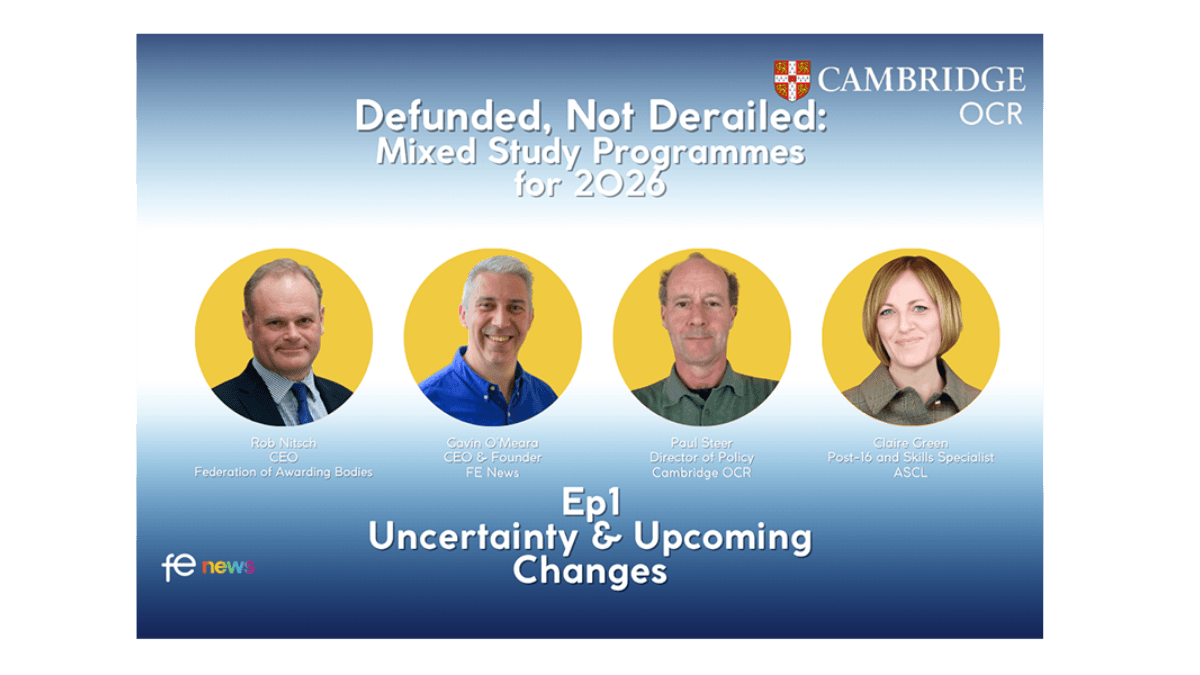
Episode 1 - Defunded Not Derailed: Mixed Study Programmes for 2026, Uncertainty & Upcoming Changes
Episode Date: Thursday 5th March 2026 The FE sector is in a period of significant change. With the phased defunding of Level 3 qualifications, ongoing post-16 reform, and the continued T Level rollout, colleges are being asked to plan confidently amid genuine uncertainty. In this opening episode of Defunded Not Derailed, Gavin O'Meara is joined by Paul Steer (Cambridge OCR), Claire Green (ASCL), and Rob Nitsch (Federation of Awarding Bodies) to unpack what we know, what we don't, and what FE leaders should be doing right now. Defunded Not Derailed was produced by FE News in partnership with Cambridge OCR.

Data informed decision making - Your Choice webinar recording
Get the highest quality CPD from experts at your convenience, with nasen's SEND CPD on Demand - The ultimate flexible training resource. This webinar explores how effective data collection and analysis can improve decision making, and have positive impact on SEND provision across settings . • The importance of sound, evidence and data informed decision making • The decisions we make – provision management • What data sets do we use • How do we analyse data and why • The difference evidence based practice makes Full access to this resource is available for £10.
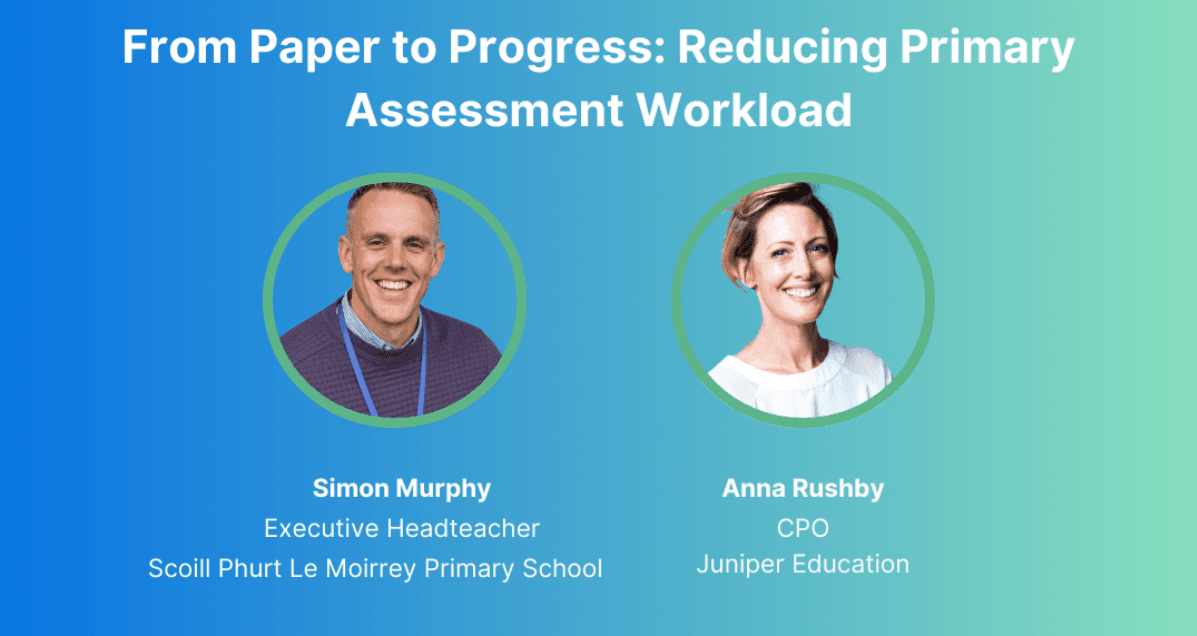
From paper to progress: Reducing primary assessment workload
In this webinar, Simon Murphy, Executive Headteacher at Scoill Phurt Le Moireey School, joins Anna Rushby, Chief Product Officer at Juniper Education, to share how his primary school changed its approach to assessment tracking. You’ll hear the practical steps taken to reduce admin, introduce new ways of working, and give teachers more time to focus on pupil progress. A real account of leading change in a school, including what worked and what they would do differently.

Culture, confidence and communication in the EFL classroom
Understanding your context In the first event in our series of webinars on practical approaches for your teaching context, two of our course tutors introduce strategies for making your teaching relevant to your learners, your classroom and your wider context. The second session focuses on designing projects that celebrate local culture and cultural exchange while building communication, teamwork and creativity. These activities strengthen learner confidence and place an understanding of culture and context at the heart of your classroom. The live event took place on 17 April 2026. This workshop gives you practical ideas to help you celebrate culture in your classroom through collaborative projects. You learn how to design a clear project framework for learners to present cultural content, which will help them develop communication skills, collaboration and creativity. Including cultural content in your classes can encourage empathy and intercultural understanding as well as boosting learner confidence. Watch the session to find out more!