

Safeguarding Digest Masterclass: Preparing for September & KCSIE 2026
About This Event
This SecEd Safeguarding Digest Masterclass focused on the updates to Keeping Children Safe in Education and how DSLs should be preparing for the implementation of this statutory guidance from September 2026.
The hour-long session on July 1 was free to access for full Safeguarding Digest members and is available on the platform to watch back. If you would like to access this session then please click the button just below to subscribe. An annual subscription to the Digest is currently available from £295.
The key changes to KCSIE
Online safety, filtering and monitoring
Gender questioning children
Mobile phones
Misogyny
What staff need to know
Preventative education
Safer recruitment
The role of the DSL
What DSLs and headteachers need to do now to prepare for September
Practical checklist of what to consider before the school holidays
How can DSLs ensure a strong safeguarding start to next academic year?
Spotlight on policy – what to update and include
What do staff need to read?
Training top tips – how to ensure your staff induction and refresher training is as effective as possible
Organiser
Mark Allen Group
emconferences@markallengroup.comGet notified by email when they post new events.
Share This Event
Related Events

Teaching Climate Preparedness Course

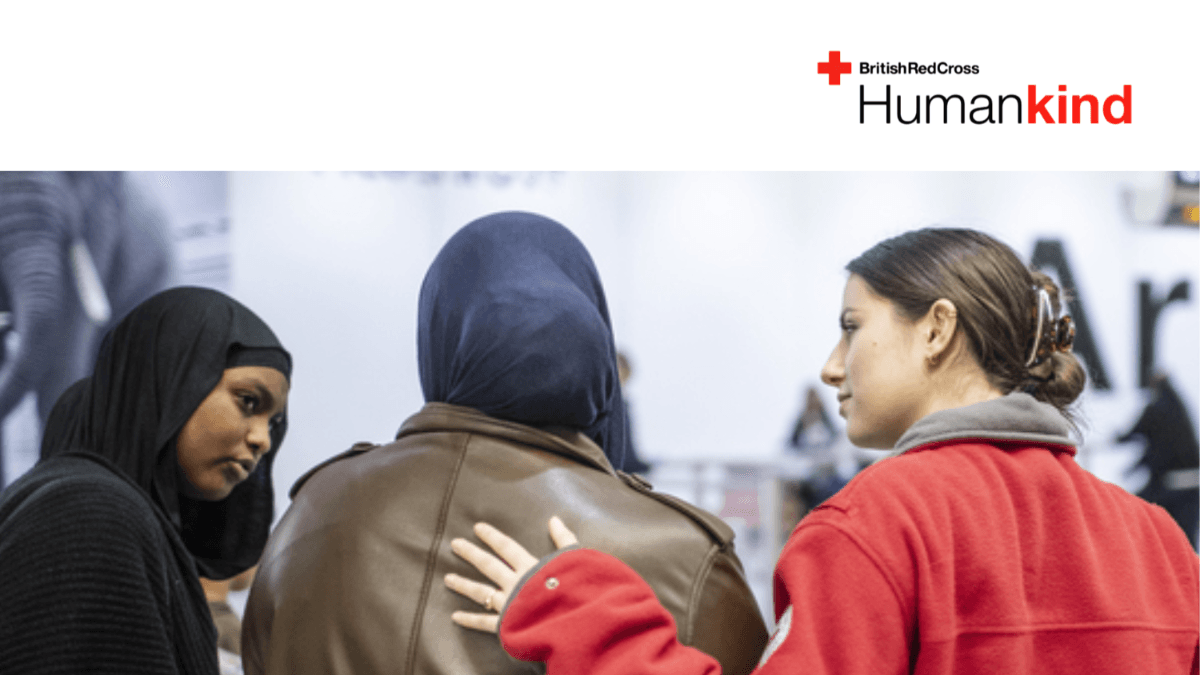
Welcome to Teaching Climate Preparedness, a comprehensive course designed to empower you with the confidence and skills to effectively teach climate preparedness using a holistic framework, developed by the British Red Cross. This course equips you with the resources, skills and training needed to successfully implement the holistic framework when teaching climate preparedness with your young people. Learning outcomes By completing this course, you will: Demonstrated an understanding of a holistic approach to climate education and why this is appropriate given the topic. Have gained an understanding of what extreme weather and eco-anxiety are, how they affect young people, and how to support emotional wellbeing through climate education. Identified key benefits of using the Weather Together toolkit to teach climate preparedness. Gained practical skills to use the Weather Together toolkit with young people. Masterclasses are available for groups of five or more and can be delivered online or face-to-face, subject to facilitator availability. To book a group masterclass, email redcrosseducation@redcross.org.uk with your group size, preferred dates, location and delivery method.
Teaching about Migration Course
This course covers an introduction to teaching about migration using a trauma-informed approach, including the tools, knowledge and resources you need to feel confident teaching about migration, even if you have young people with lived experience of migration in the room. Learning outcomes By completing this course, you will: Understand the experiences of people with refugee status or people seeking asylum, whilst defining key terminology. Understand the impact of trauma on learners and apply six trauma-informed principles to teaching about migration. Use our teacher resources to engage and support your students. Masterclasses are available for groups of five or more and can be delivered online or face-to-face, subject to facilitator availability. To book a group masterclass, email redcrosseducation@redcross.org.uk with your group size, preferred dates, location and delivery method.

Teaching about War and Conflict Course
This course covers an introduction to teaching about global conflicts through the rules of war. It also includes handling the challenging conversations that can arise from this topic. Learning outcomes By completing this course, you will: Demonstrate an understanding of the principle of neutrality and the rules of war. Apply a five-step method to confidently facilitate challenging classroom discussions. Use our teaching resources to engage and support your students. Masterclasses are available for groups of five or more and can be delivered online or face-to-face, subject to facilitator availability. To book a group masterclass, email redcrosseducation@redcross.org.uk with your group size, preferred dates, location and delivery method.

Teaching First Aid Course
Learn how to teach first aid to young people using the British Red Cross's Everyday First Aid approach, and using free medically approved, educationally sound resources. Learning outcomes By completing this course, you will: Understand the Everyday First Aid approach and how to use it to effectively teach first aid to your young people. Understand how to navigate and utilise our resources and activities on the First Aid Champions website to effectively teach first aid skills to young people. Be able to use our teaching resources to engage with your young people on the topic of first aid. Be able to use our first aid skill videos, which use the Everyday First Aid approach, to enhance your confidence and knowledge in first aid. Masterclasses are available for groups of five or more and can be delivered online or face-to-face, subject to facilitator availability. To book a group masterclass, email redcrosseducation@redcross.org.uk with your group size, preferred dates, location and delivery method.

Teaching Resilience Course
This course will cover an introduction to teaching resilience using a practical learning approach. Young people are faced with many different challenges each day. As educators, it is important that we help young people develop the skills that can help them to grow their resilience in order to help them cope with adversities they may be faced with. Learning outcomes By the end of this course, you will: Understand what personal resilience is and the challenges facing young people today. Understand the social and emotional skills needed to build resilience and how to teach these in a practical way. Use our teaching resources to engage with the topic of resilience with your students. Masterclasses are available for groups of five or more and can be delivered online or face-to-face, subject to facilitator availability. To book a group masterclass, email redcrosseducation@redcross.org.uk with your group size, preferred dates, location and delivery method.

A safeguarding audit: How will your school fare?
How would your school fare in a full safeguarding audit? What would be considered exceptional practice? Where might improvement be needed? This SecEd Safeguarding Digest Masterclass considered these questions and more. The Masterclass walked Safeguarding Digest members through a typical school safeguarding audit, with two experienced safeguarding professionals discussing what they look for when they go into schools. Hosted by Safeguarding Digest editor Peter Henshaw, the Masterclass featured expert advice and insights from: Sara Alston : An experienced former SENCO and safeguarding lead who also works as a SEND, inclusion and safeguarding consultant and trainer. Sara is a member of the Safeguarding Digest editorial board. Elizabeth Rose : An independent safeguarding consultant and the director of So Safeguarding. Elizabeth has worked in education for almost 20 years and is a former school designated safeguarding lead and local authority safeguarding in education advisor. Sara and Liz discussed the tenets of exceptional practice as well as some of the common shortfalls, faults and examples of poor practice that they have seen during audits. We covered: Purpose and scope of a safeguarding audit, including reviewing policies, practice, and culture – and how Liz and Sara conduct audits. Policies, procedures, and compliance checks, including ensuring core policies are current, understood, and implemented as well as common shortfalls and examples of poor practice. Will we discuss key guidance updates for September 2026. Staff training, awareness, and safeguarding culture including induction & CPD, staff confidence in responding to concerns, and how to build an open culture where safeguarding is ‘lived’. Again we will discuss common shortfalls and faults to watch out for. Safer recruitment and single central record (SCR), including key audit checks for recruitment processes and vetting and some examples of poor practice. Recording, reporting, and responding to concerns, including reviewing case management, early help, and escalation processes as well as examples of poor practice. What next? How to respond to audit findings including identifying areas for development.

Tackling Misogyny Conference 2026: Strengthening PSHE Curriculums
Join us at the Tackling Misogyny Conference 2026 to hear practical guidance and expert insights into using Personal, Social, Health and Economic (PSHE) education to combat misogyny in schools. The event will feature expert speakers from across education, safeguarding, and the charity sector. Key discussions include developing and delivering tailored PSHE curricula, improving media literacy and tackling online misogyny, and responding effectively to harmful sexual behaviours and attitudes. Why Attend: ✓ Gain practical, classroom-ready strategies to tackle misogyny across PSHE and whole-school practice ✓ Understand and implement the latest RSHE guidance with confidence and impact ✓ Address emerging challenges including AI, online influencers, and incel culture ✓ Networking opportunities with speakers and senior colleagues across the education sector ✓ 8 hours of CPD points towards your yearly quota
Ofsted Inspection Update - Online
By the end of this course, participants will be able to: Interpret the key components of the new framework. Navigate the updated inspection resources to support workload management for the senior leadership team. Understand inspection timings for the next academic year. Apply best practices for articulating context, safeguarding, inclusion and continuous improvement. Course Content: Work through an overview of the updated structure and rationale of the Framework and Handbook for all phases. Understanding the report card system and how to integrate this into annual school improvement practices. Re-visit successful school improvement strategies to ensure you, your SLT and your Governors are always prepared to talk about your school to visitors Review safeguarding strategies and discuss how to carry out an annual internal safeguarding audit This training course guides you through the re-designed Ofsted Inspection Framework and report card model. Participants will gain clarity on the structure, methodology and assessment criteria and receive practical strategies for preparing the senior leadership team and governors.
Nurturing Psychological Safety
We support teachers, leaders and support staff in developing their consciousness of psychological safety to become more confident and competent in intentionally creating spaces for everybody to flourish and thrive. A psychologically safe environment is one which allows people to take interpersonal risks without fear of negative consequences, such as social exclusion or judgement. For example, if a child feels psychologically safe in class with their peers and teachers, then they are more likely to ask for help, to share their ideas, ask questions, or admit they don’t understand something. They are more likely to try, knowing it’s okay to fail. They will still be accepted, even if they make mistakes. This has obvious benefits for individual learning, and the rest of the class who have the potential to learn from others’ questions and ideas. We will explore how we can ascertain existing levels of psychological safety and how we can embed it into our classroom and workplace culture.
eduSafe Wakefield 2027 - Online Safety Conference for Education
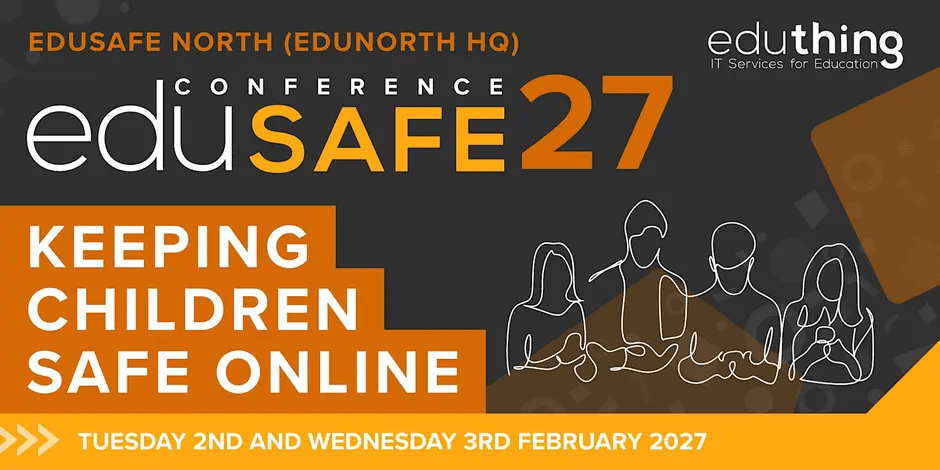
Join our annual eduSafe Conference being held in Wakefield! We know that Online Safety is one of the most important areas for us to be able to support schools in. An increasingly digital world is exposing children to a range of elements online, and we need to be able to effectively support children in both understanding what a normalised online experience actually is, and how to use the internet safely. Agenda TBC! Feel free to arrive from 9am for breakfast and network opportunities, for a 10am conference start!

The Safeguarding Students in Higher Education Conference 2027
The safeguarding landscape in higher education is shifting rapidly, driven by heightened awareness of mental health challenges, online risks, and the urgent need to tackle harassment and misconduct. Universities are under growing pressure to create safe environments that protect students from harm and encourage wellbeing. However, without a clear and consistent understanding of their duty of care, responsibilities and the boundaries of safeguarding, institutions can face significant challenges in knowing when and how to intervene. Nearly one quarter (24.5 per cent) of respondents reported sexual harassment since entering higher education, and around one in seven (14.1 per cent) reported sexual assault/violence (OfS, 2025) 37% of students have considered dropping out because of poor mental health (NUS) Students are more likely to have experienced sexual assault than any other group (Office for National Statistics, 2021) Join us at The Safeguarding Students in Higher Education Conference 2027 , where sector leaders, policymakers, and frontline practitioners will explore how to meet these new expectations. Through case studies, keynotes, and interactive discussions, you will gain practical insight into embedding safeguarding in every aspect of higher education, from responding to harassment under E6 to improving student wellbeing and strengthening institutional cultures of safety and care.