
Alternative Provision Conference 2026: Connecting Policy, Practice and Progress
Wednesday, October 7, 2026
Date
9:00 AM - 4:15 PM
Time
Online
Location
£355 - £520
Cost
About This Event
With ongoing SEND reform, the Schools White Paper, and increasing expectations around inclusion and system-wide standards, the role of alternative provision is increasingly in the spotlight. Alongside this, significant government investment, including £860 million funding for 2026–27 to support the creation of around 11,000 new SEND and alternative provision places as part of a wider programme to deliver 60,000 specialist places, is reshaping the landscape of provision. Providers are under growing pressure to deliver impactful, tailored support for children and young people with complex needs, while clearly evidencing progress and outcomes.
Nearly four in ten (37%) children will need additional support with learning at some point in their education (Nuffield Foundation 2025)
Since 2020, there has been a 30.2% increase in placements in alternative provision (Department for Education 2025)
The Alternative Provision Conference 2026: Connecting Policy, Practice and Progress will bring together leaders and practitioners from across education and local government to explore the latest policies and priorities shaping the future of AP. Focusing on policy developments, inclusive practice, and system-wide improvement, the conference will provide a platform to share evidence-based approaches that drive engagement, raise standards, and strengthen outcomes.
Through expert insights and practical case studies, attendees will examine key priorities including the recent SEND reform, safeguarding for complex needs and effective accountability frameworks. The programme will also highlight the importance of early intervention, values-driven leadership, and high-quality post-16 pathways, supporting the sector to deliver consistent, impactful provision and positive transitions for all learners.
Who is This Event For?
Speakers

Amy Smith
Director of Education
Inclusive Education Trust

Dan Bodey
Head of Inclusive Education
City of York Council

Meg Powell-Chandler
Director
New Schools Network

Michael Freeston
Director of Quality Improvement
Early Years Alliance

Mana Sahami
Founding Headteacher
Rainshore House School and Directing Education, CFS Education

Paula Marten
Assistant Headteacher
Chailey Heritage Foundation

Liz Zoccolan
Lead for Inclusion
Red Kite Learning Trust

Danielle Lewis‑Egonu
Chief Executive Officer
Cygnus Academies Trust

Dave Woods
Vice President, NAHT, and Head Teacher
Beaconsfield Primary School
Related Events
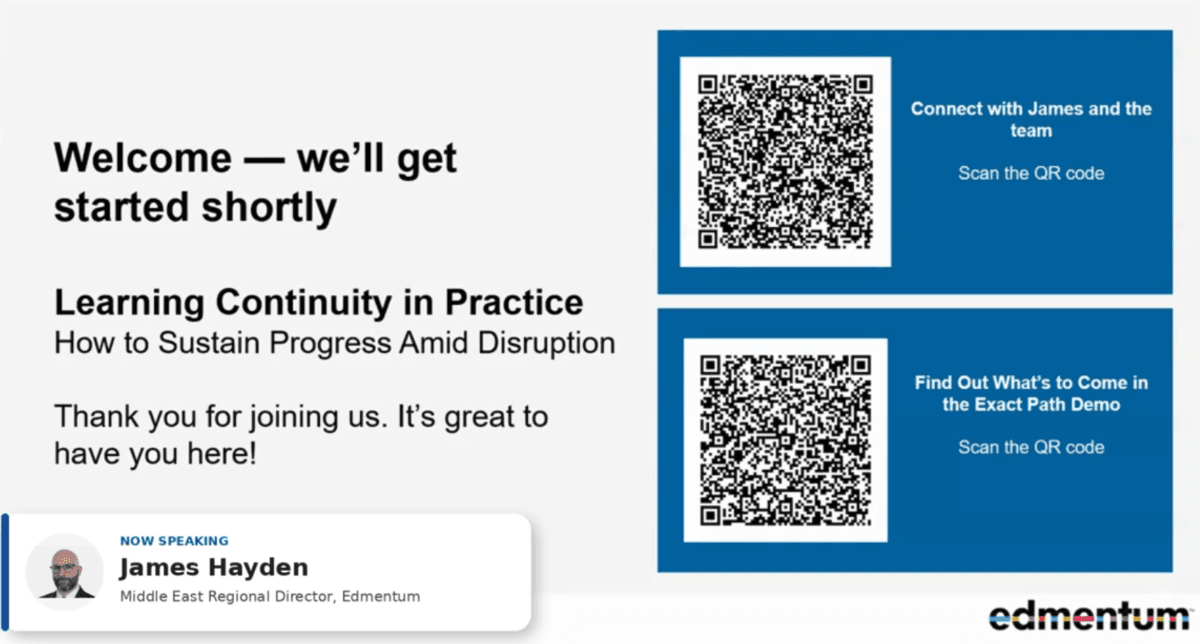
Learning Continuity in Practice: How to Sustain Progress Amid Disruption
This webinar explores how schools can adapt quickly, support students at different starting points, and maintain meaningful progress through disruption. Join Lee Dabagia , Principal at Summit International School , Dr. Tim Hughes , Director of Academic Quality Assurance & School Improvement at Bloom Education , Gemma Thornley , Principal at The Arbor School , and other leading practitioners, for a practical discussion on supporting learning continuity, helping students catch up, accelerating progress, and preparing students for a confident transition into the next academic year. In this session, you'll gain insights to: Identify unfinished learning and priority skill gaps Use structured and independent learning to accelerate progress Support students at different starting points across flexible learning models Strengthen visibility of progress for teachers, leaders and families Maintain learning continuity without increasing teacher workload Prepare students for a confident academic transition

How can assessment be inclusive?
Speaker Nashwa Aly Muhammad Session information This practical session addresses the limitations of one-size-fits-all assessments. It explores the positive impact of creating equitable opportunities for all learners, including those with special educational needs, while catering to cultural differences and varied learning preferences. Learn about the key principles of accessible and inclusive assessment and how to integrate these to accommodate diverse needs, by providing alternative testing formats and designing fair and unbiased assessments.

The Schools White Paper & Inclusion at Scale
The Schools White Paper Every Child Achieving and Thriving raises expectations for inclusion - earlier, more consistently, and across every school, backed by £1.8bn in new investment. But for many trusts, the challenge isn’t understanding what’s expected. It’s making it work in practice, at scale. Practice varies between schools. Capacity is stretched. Needs are more complex. What works in one school doesn’t always translate across others. Research from Thrive and ImpactEd, based on over 1,000 education professionals, highlights a clear “inclusion readiness gap” - between expectations and the conditions needed to deliver them. At the same time, £1.8bn in new investment creates a significant opportunity - but only if it’s used to strengthen delivery across the trust. In this session, Tom Preston, Viv Trask-Hall and Liz Murray will share what they’re seeing across the system and what seems to be making a difference. You’ll learn: What the White Paper means in practice for trust-wide inclusion Where delivery tends to break down across schools Why some approaches don’t scale - and what to do instead How to use new investment to build capacity across your trust How to assess and strengthen inclusion readiness

Inclusion 2.0: a fireside conversation with Daniel Sobel
What’s next for inclusion - and what will it really take to move from good intentions to embedded practice? Thrive is proud to be forging a new strategic partnership with the International Forums of Inclusion Practitioners (IFIP) - a global community committed to strengthening inclusive practice for every teacher and every learner. To mark the partnership, join Viv Trask-Hall, recently recognised as a Distinguished Fellow of IFIP, for a relaxed fireside conversation with Daniel Sobel - Chair of IFIP, President of the World Inclusion Congress (WIC), and Chief Exec of Inclusion Expert. Together, Viv and Daniel will explore what this partnership means in practice, what’s shifting globally in inclusion right now, and Daniel’s vision for Inclusion 2.0 - the next phase of inclusion that moves beyond policy into culture, leadership and everyday practice. We’ll also dive into questions including: What’s the biggest misconception schools hold about inclusion today? What does inclusion look like when it’s truly embedded — not just talked about? What patterns are emerging internationally, and what can we learn from them? Expect a candid, practical discussion, with space for audience questions and real-world reflections for leaders, practitioners and educators.
SEND reforms – challenges, opportunities and next steps for schools
We bring together experts with specialisms in SEND, inclusion, alternative provision and more to discuss the SEND Reform: ‘Putting Children and Young People First’. We discuss the challenges, opportunities and gaps in the reforms and share advice on practical next steps for the new academic year and beyond. What the ‘universal offer’ should include to be effective in mainstream education How Individual Support Plans (ISPS) can help provide consistency between school systems supporting transition between different settings What schools need to consider to ensure inclusion bases work well in practice How alternative provision and mainstream settings can work more closely together Clarity on what detail is needed to address gaps in the current documentation and give schools clearer next steps

AI and wellbeing: what schools are noticing and why it matters
What is the webinar about? Children and young people are growing up alongside AI tools that respond instantly, adapt to them, and feel surprisingly conversational. These moments can spark curiosity and connection, but they also introduce pressures that may shape how young people feel, relate and regulate - and the pace of change is faster than our understanding of its emotional impact. Join us for a fireside conversation where Thrive’s Viv Trask-Hall is joined by digital education specialist, Anthony Magee, and Safeguarding and Mental Health GLF Trust Lead, Fiona Jarman, to explore the emerging ways AI is shaping children’s emotional and social worlds, and how schools can respond. You’ll gain a high-level understanding of the emerging impact of AI, drawing on data and behavioural insights, alongside relational perspectives on supporting young people’s wellbeing as technology evolves.
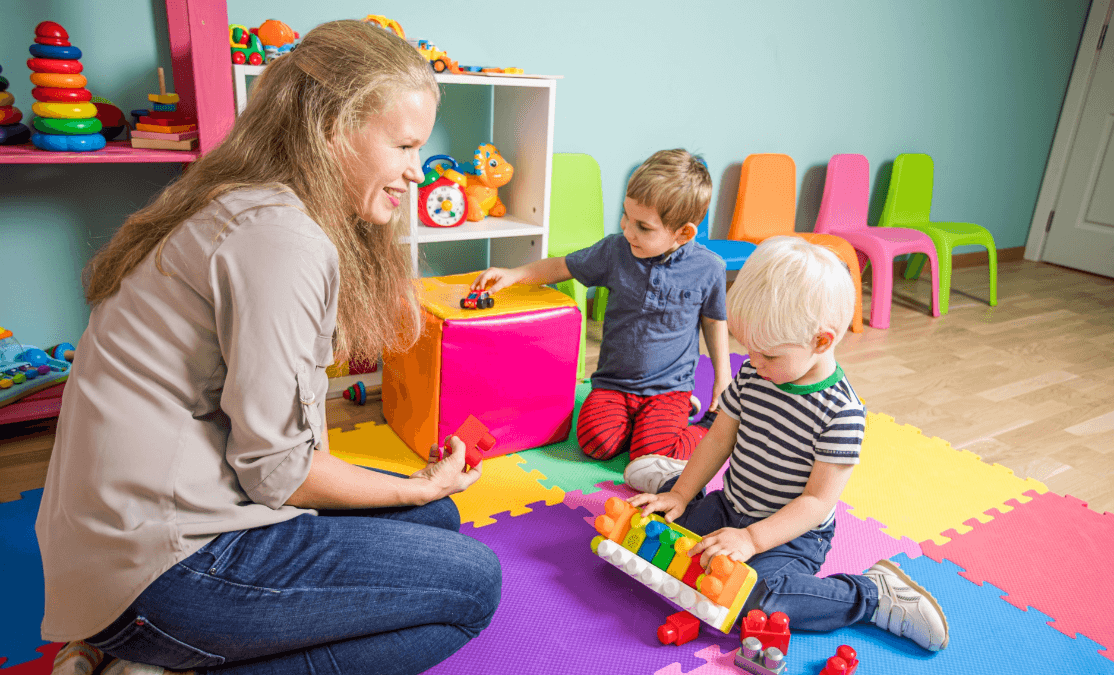
How to create a sense of belonging in the early years
Every child needs to feel that they belong – to know they are safe, seen and significant. Explore how to create a genuine sense of belonging in early years settings and why this is crucial for mental wellbeing and healthy brain development. Watch the webinar to learn: Why a strong sense of belonging is so important for young children's development and what it looks like in early years settings How to create inclusive, predictable spaces where children feel secure enough to express themselves and explore Practical ways to listen to children’s voices and involve them in shaping their environment and routines

5 proven strategies for educators to help pupils express their emotions
Learn five key relational strategies that adults can use to support children and young people when they are overwhelmed by their emotions. Watch the webinar to learn: Effective strategies to support pupils when emotions feel overwhelming. Suggested practical activities to help embed these approaches in your setting. Ways to create a safe, nurturing environment where pupils feel heard and understood.
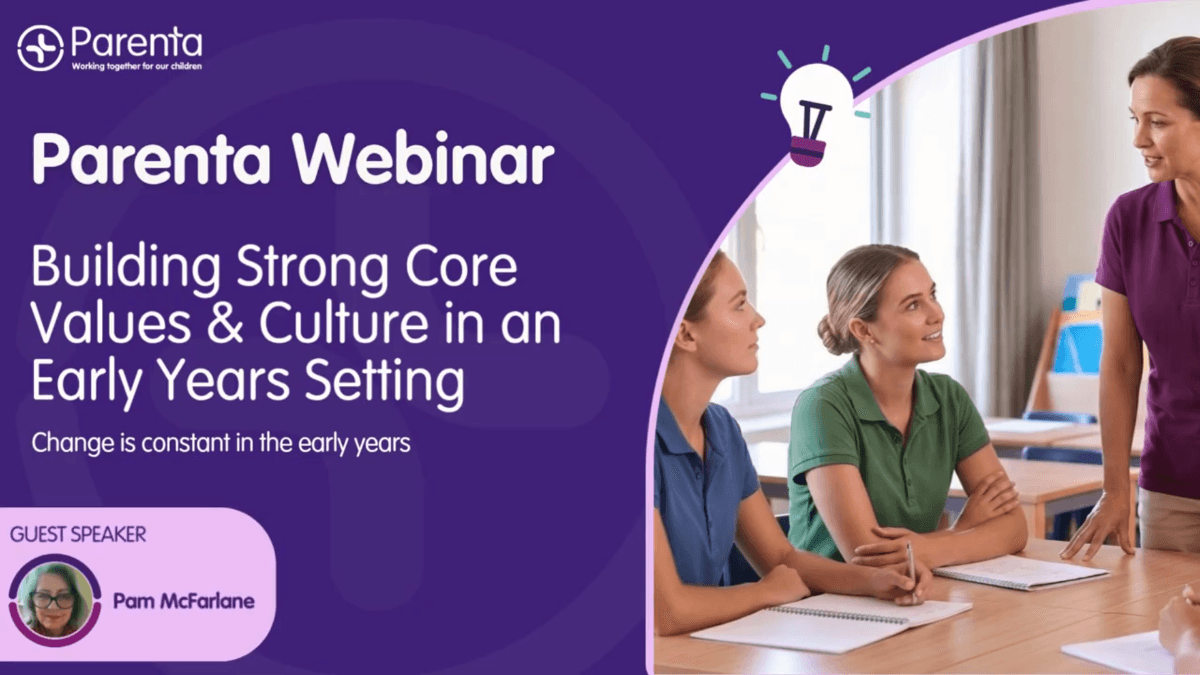
Building Strong Core Values & Culture in an Early Years Setting Webinar
n this practical and inspiring webinar, Pam McFarlane explores how strong core values and a positive culture can transform your early years setting. She shares practical strategies to help you build a supportive, consistent environment where children, families, and staff can thrive. This session focuses on creating a culture that reflects your setting’s values in everyday practice — from leadership and teamwork to communication and staff wellbeing. Perfect for early years practitioners, managers, and nursery owners, this webinar provides realistic, actionable ideas that can be implemented straight away. What you’ll learn: How to define and strengthen your setting’s core values Ways to build a positive and supportive workplace culture Practical strategies to improve teamwork, communication, and staff morale How strong values can support consistency, confidence, and better outcomes for children and families Simple steps to embed your culture into daily practice A must-watch for anyone working in early years settings who wants to create a stronger, more positive culture that supports both their team and the children in their care.
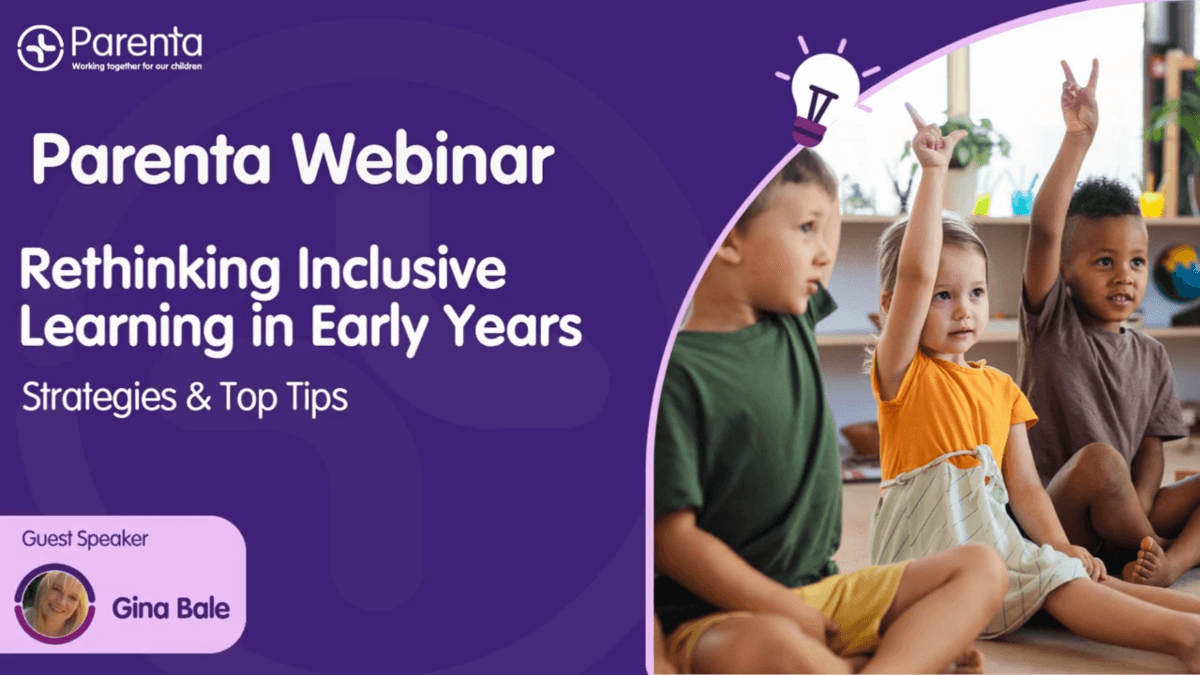
Rethinking Inclusive Learning in Early Years – Strategies & Top Tips
In this inspiring and practical webinar, Gina Bale explores how inclusive, holistic learning helps every child thrive by focusing on possibilities rather than limitations. Drawing on her expertise in movement, music, storytelling and SEND practice, Gina shares simple, creative strategies that can be implemented immediately to build communication, confidence and early literacy through meaningful play. This session demonstrates how observing children's individual interests and strengths can transform everyday activities into rich learning experiences that support communication, problem-solving, language development and inclusion. Ideal for early years practitioners, managers and nursery owners, this webinar offers practical ideas to create engaging environments where every child has the opportunity to succeed. What you'll learn: How movement, music and storytelling create strong foundations for communication and literacy Why observing the whole child leads to more inclusive and effective practice Practical ways to differentiate activities so every child can participate and thrive Simple strategies to build confidence, language and learning through play and meaningful interactions A must-watch for anyone working in early years settings who wants to create truly inclusive learning experiences and help every child spread their wings.
Data informed decision making - Your Choice webinar recording
Get the highest quality CPD from experts at your convenience, with nasen's SEND CPD on Demand - The ultimate flexible training resource. This webinar explores how effective data collection and analysis can improve decision making, and have positive impact on SEND provision across settings . • The importance of sound, evidence and data informed decision making • The decisions we make – provision management • What data sets do we use • How do we analyse data and why • The difference evidence based practice makes Full access to this resource is available for £10.
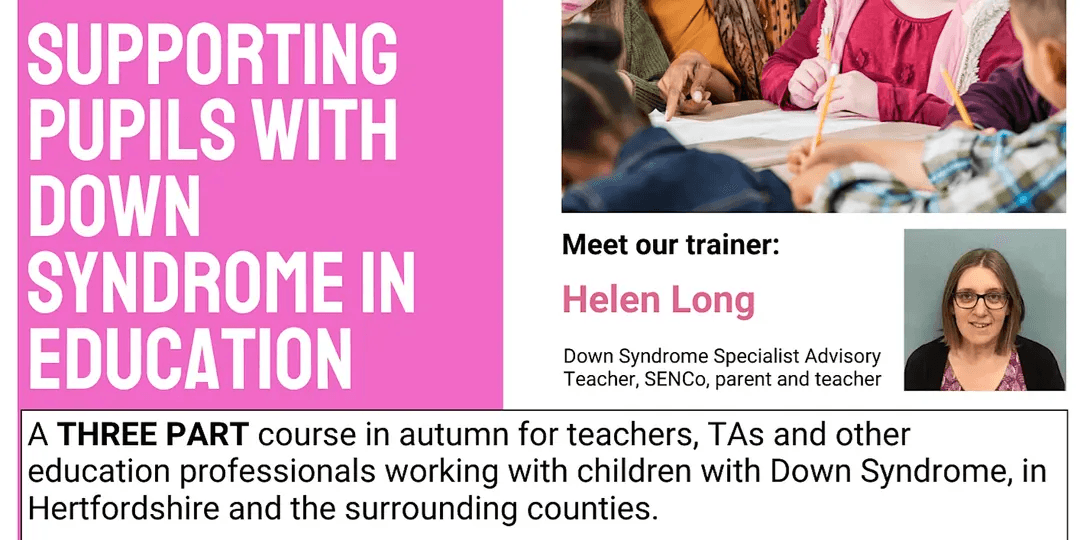
3 part course - Supporting Pupils with Down Syndrome in Education
For education professionals working with a child or children with Down Syndrome in Hertfordshire or the surrounding counties. This THREE PART training course is for education professionals in Hertfordshire and the surrounding counties and will focus on supporting pupils with Down Syndrome aged 4-16 years in both mainstream and special schools. The training will be delivered by Helen Long (SENCO, Specialist Advisory Teacher for children with Down Syndrome, teacher, parent, and trainer). The three parts are as follows: 1) An online workshop: 'Introduction to Down Syndrome' - Tuesday 22nd September, 4pm - 5:30pm, online 2) Face to face: 'Supporting Pupils with DS at School' - Friday 9th October, 9am - 3:30pm, at Hilltop Community Centre, The Downs, Hatfield AL10 8JP. This will cover key points on the following topics: Reading - how to teach reading and how to use it across the curriculum and to teach expressive language Literacy - including spelling and recording information Maths Behaviour and Social Development 3) Bespoke guidance and training at your school focused on the individual child(ren) with DS you support. A DS Specialist Advisor will visit your school as part of our Resources into Schools programme. This includes an assessment of the individual child's challenges and a recommendation for a resource and/or additional training which will be provided by DS Achieve in school. Please note: The number of Resources into Schools applications available is based on the number of professionals attending the training and the number of children with Down Syndrome at the setting. Each application supports one child. The total number of applications is limited to the number of professionals trained. For example: 2 professionals attend; 1 child at the school = 1 application 2 professionals attend; 2 children at the school = 2 applications 2 professionals attend; 3 children at the school = 2 applications